‘Tomatomania’ brings hundreds of rare varieties to San Diego County this weekend
 Dante Ulanday - News Moderator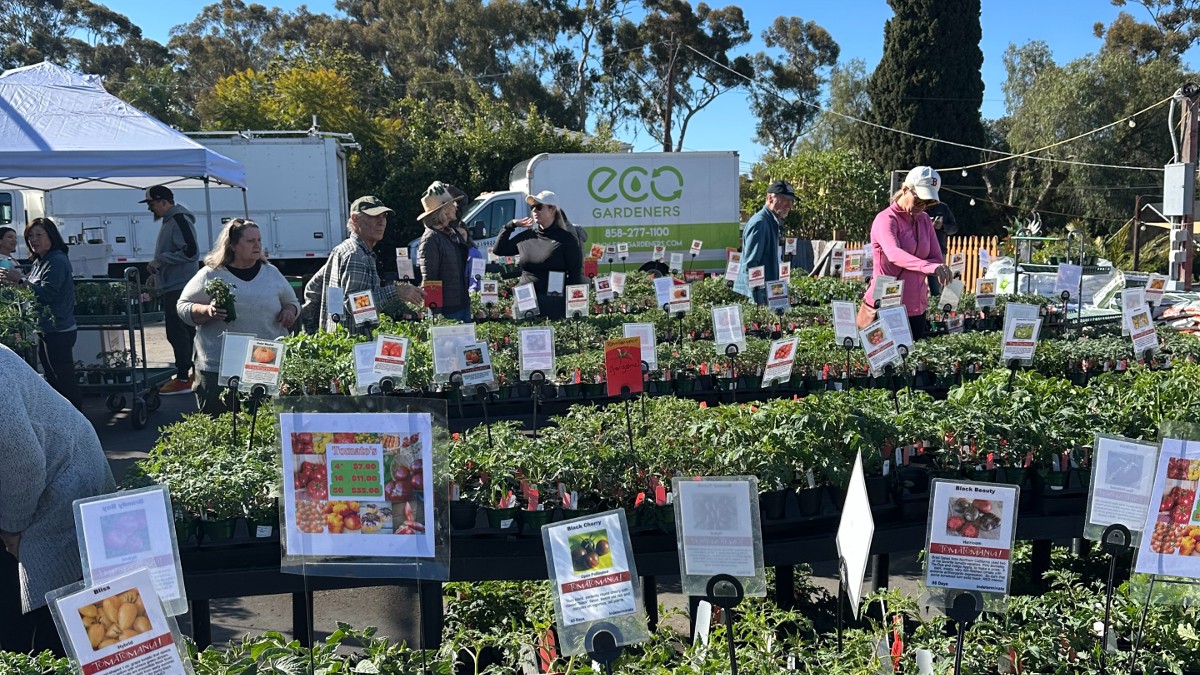



For Scott Daigre, it all started with a grandfather and a row of tomatoes.
“I just wanted to have a garden like my grandpa,” said Daigre, the Ojai-based producer and owner of Tomatomania, a traveling tomato plant sale that has grown into one of the most celebrated horticultural events in the country.
Daigre’s grandfather treated tomato growing “like religion,” planting the same variety, in the same row, season after season for 50 years on his property. A young Daigre absorbed it all. While most teenagers had little interest in the garden, Daigre did not waver.
“You don’t plant tomatoes when you’re 14, most people, but I did,” he said. “I had my first garden when I was 5.”
That early passion eventually led Daigre to community garden plots in Los Angeles in the 1990s, and later to a nursery where Tomatomania had been established as a local event. When the nursery closed, he refused to let the concept die. In 2001, he took the event on the road – first to Encino.
Twenty-five years later, Tomatomania has staged events in six states and 35 cities. It operates like a band on tour, rolling into cities across the country each spring, complete with merch and a devoted following. San Diego County has been a tour stop for more than 10 years.
“Tomatomania is an opportunity for gardeners to choose from the largest and most unique collection of tomatoes offered anywhere in any retail situation,” Daigre said of the whole operation, geared squarely on the home gardener market.
Where a typical nursery might stock 15 to 20 tomato varieties, Tomatomania routinely triples or quadruples that number. In San Diego County this weekend, visitors can expect to browse between 75 and 95 varieties across two events, with plants available in 4-inch and 1-gallon sizes – no seeds, all ready to go into the ground. That range is part of the appeal.
“We’re showcasing tomatoes that were introduced in the 1800s and tomatoes that will be new this year,” Daigre said. “People can feel like they got the latest, greatest thing in tomato fashion or they’re growing an absolute antique.”
Tomatomania’s seeds are sourced from major commercial producers and passionate backyard hybridizers alike.
“It’s really interesting because you have these very serious people in places like Ukraine, British Columbia and Mississippi,” Daigre said. “That’s how diverse this universe is.”
Tomatomania’s San Diego County visit includes stops at two different venues with staggered dates.
The Water Conservation Garden in El Cajon hosts Tomatomania Friday, March 6, and Saturday, March 7. The six-acre educational garden will have docents on hand throughout the weekend, and area master gardeners will staff an informational table Saturday. Mission Hills Nursery follows with its event Saturday, March 7, and Sunday, March 8.
Daigre tailors each event to its location and audience. Coastal microclimates near the beach call for different variety selections than the warmer, more inland conditions of El Cajon.
“We sculpt the events for the site, for the audience, for the zone,” he said. Both events are free and open to the public.
The centerpiece of this year’s events is Tomatomania’s ninth annual Tomato of the Year: Sart Roloise, a Belgian-bred, open-pollinated beefsteak variety that has been turning heads in the tomato world for years.
“It’s a yellow mid-sized beefsteak with a blue collar,” Daigre said.

That blue collar is the result of anthocyanin – the same pigment found in blueberries and eggplant – expressed on the tomato’s shoulders and in deep indigo streaks across its golden skin.
“We’ve trialed it off and on for five or six years and it’s been a winner,” Daigre said about its distinguished honor, “and last year it was especially impressive.”
When it comes to what makes San Diego County a standout tomato-growing region, Daigre doesn’t hesitate.
“It’s pure and simple, the weather,” he said. “You have a long sunny growing season and the beautiful part for us, of course, is that we can plant in the spring, manage and harvest all summer, and if we planted the right varieties, they’ll keep going into the fall.”
He notes that microclimates vary dramatically across the county – beach communities and inland valleys call for thoughtful variety selection – but the region’s extended season is a significant advantage that gardeners can maximize with the right plant choices.
For San Diego gardeners heading into planting season now, Daigre has direct advice: start with the soil.
“Don’t go buy the cheap stuff and fill a pot and throw a tomato in it and expect that it’s going to work,” he said. “The premium thing that we need to do in Southern California is make sure our soils are healthy and vibrant to support that plant growth.”
After more than two decades on the road, Daigre sees many of the same faces – “tomatomaniacs” – who return each year with garden journals, harvest photos and effusive gratitude. In each one, he sees a chance to pass something on, just as his grandfather once did for him.
“You put a tomato in the ground and you’re a farmer,” he said. “When you’re a farmer, you have responsibilities and you have challenges. Everybody gets a little piece of what it takes to make us food. It’s a beautiful exercise for people to go through.”
For more information, go to www.tomatomania.com.