Seniors Stay Longer at Homeless Shelters Than Others
 EM - News Moderator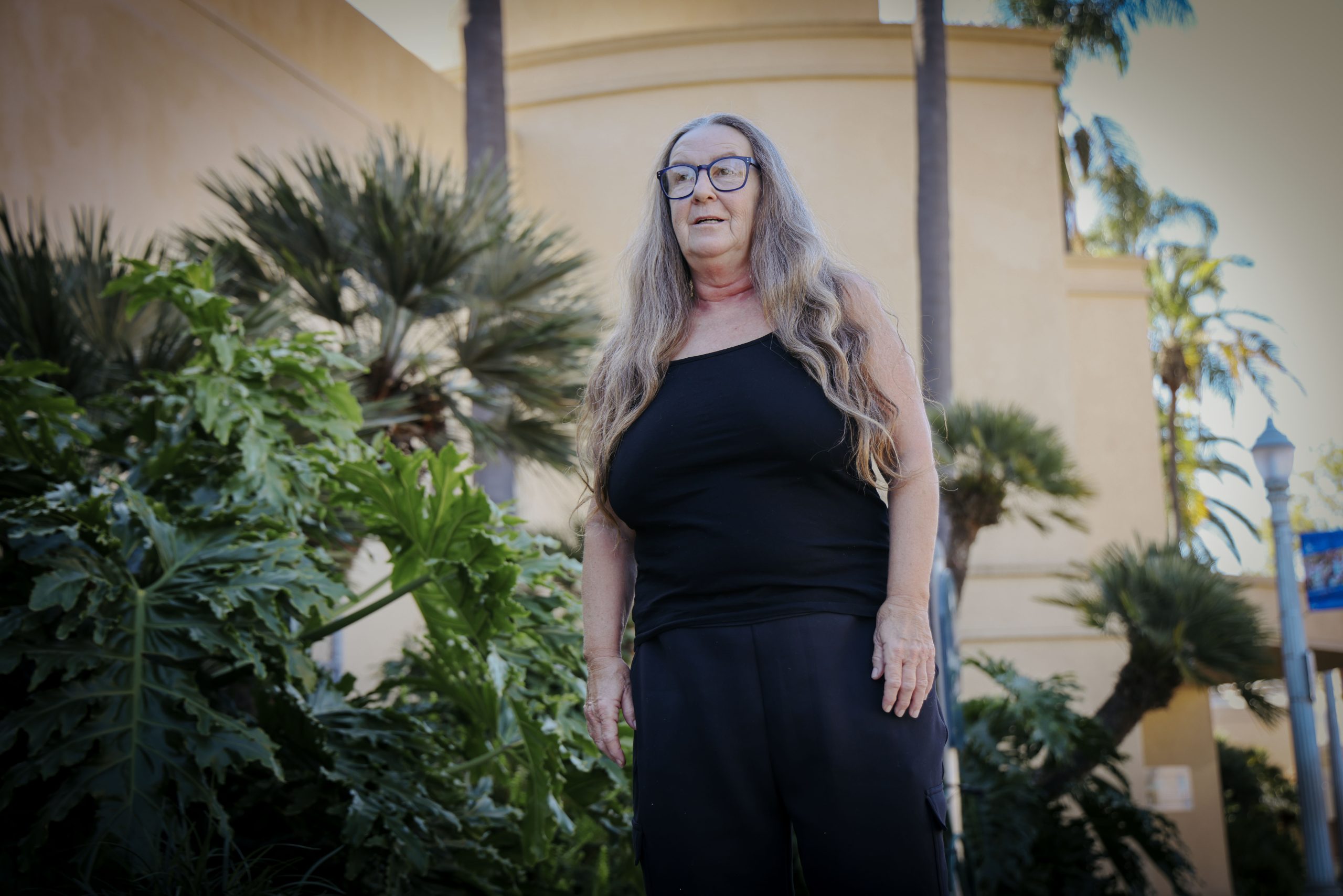


A mix of bad luck and health problems landed Mattie Sadler on the street and eventually a homeless shelter in Barrio Logan.
The 62-year-old has lived at Alpha Project’s Newton shelter for four years. She is part of a growing population of San Diegans 55 and older who are staying at shelters longer than their younger counterparts.
Seniors make up almost half of the residents living at the Newton shelter. At least 20 seniors have been living at the shelter for more than four years.
At the shelter, seniors stay for an average of 688 days or almost two years, which is ten months longer than younger residents. Citywide, the average length of stay for seniors isn’t that long – but it’s still longer than younger homeless people. Seniors are staying approximately nine months in shelters, while people 55 and younger stay seven months on average.
At the Newton shelter, Marisa McElroy, director of employee and client operations at Alpha Project, said paying rent at market rates would leave many seniors with barely enough money to cover basic needs.
While the Union-Tribune reported average rents have fallen, average market-rate rent continues to be over $2,500 per month.
Some seniors can qualify for low-income housing options.
One of these options includes rapid rehousing, which is short-term rental assistance for up to 24 months along with ongoing case management. But the rent contribution is based on the ability to pay, and eventually the person must assume 100 percent of the rent.
For seniors on small, fixed incomes, it’s not a great option.
Another option, permanent supportive housing, offers long-term rental assistance with no limit on how long a household can remain on the program. But seniors have to pay a portion of their monthly income.
McElroy says many seniors don’t want to pay full rent after waiting so long for assistance. That makes permanent supportive housing a much better bet for them. “From their perspective, it often feels like a match could happen any day,” she said.
Jonathan Herrera, a senior official from the San Diego Housing Commission said length of stay is influenced by several factors. These include increased cost of living, stagnant wages, occupancy rates and more.
Herrera said length-of-stay data “reflect the system as a whole, including circumstances beyond the control of shelter operators.”
Herrera said it’s a slim chance to get affordable housing. He said the commission keeps an ongoing portfolio of available low-income housing options, but the turnover of those units is very low.
“Getting one’s like a golden ticket,” said Herrera.
Officials at the San Diego Housing Commission found that length of stay — the time someone stays at a shelter before exiting to permanent housing – at shelters administered by the commission increased over the last few years.
The commission reported that the greatest increase in average length of stay was for individuals under the age of 55 from fiscal year 2024 to 2025. It went from four months to almost seven. Still, seniors continue to have the longest stays in shelter.
Even if Sadler were to land a unit, there’s no guarantee that she’ll afford even her portion of the rent.
“I haven’t been in the market for any kind of housing because I haven’t had an income,” said Sadler.
Sadler recently got approved for supplemental security income and social security disability insurance which would help her cover basic things like groceries and medications. But she can’t work, because arthritis pain in her knees only allows her to stand for a couple minutes at a time.
“I don’t want [the rent] to go up in three months and then I don’t have it, and I’m on the street,” said Sadler. “I want it to be like a stable thing, because I’m older. I can’t walk that well and I’m not gonna get any more money.”
Despite the challenges, Sadler remains hopeful and is working on getting social security benefits.
Other people, like Kerry De La Barra, 56, are preparing to leave the shelter.
De La Barra moved from Colorado to San Diego in 2022 where she got a job doing bookkeeping at Temecula Valley Winery Management making $22 an hour.
“I know my credit wasn’t good when I moved out here, and I couldn’t find a place because my credit was bad,” she said. “Plus, they want a ridiculous amount for rent and deposit.”
Instead, she moved in with her son and granddaughter for six months. But she struggled with alcohol addiction, and her son kicked her out of the house.
She went into rehab and sober living in 2023. When she finished her sober living, she said she was thrown out onto the street with her stuff. She was homeless for more than two years, before landing at Alpha Project’s Newton shelter.
She’s been at the shelter for almost two months, but recently social workers found an affordable apartment in East Village that she can apply to rent.“I heard it’s a nice place,” she said.
The post Seniors Stay Longer at Homeless Shelters Than Others appeared first on Voice of San Diego.