Sacramento Report: What’s Behind the Changes to the Midway Rising Bill
 EM - News Moderator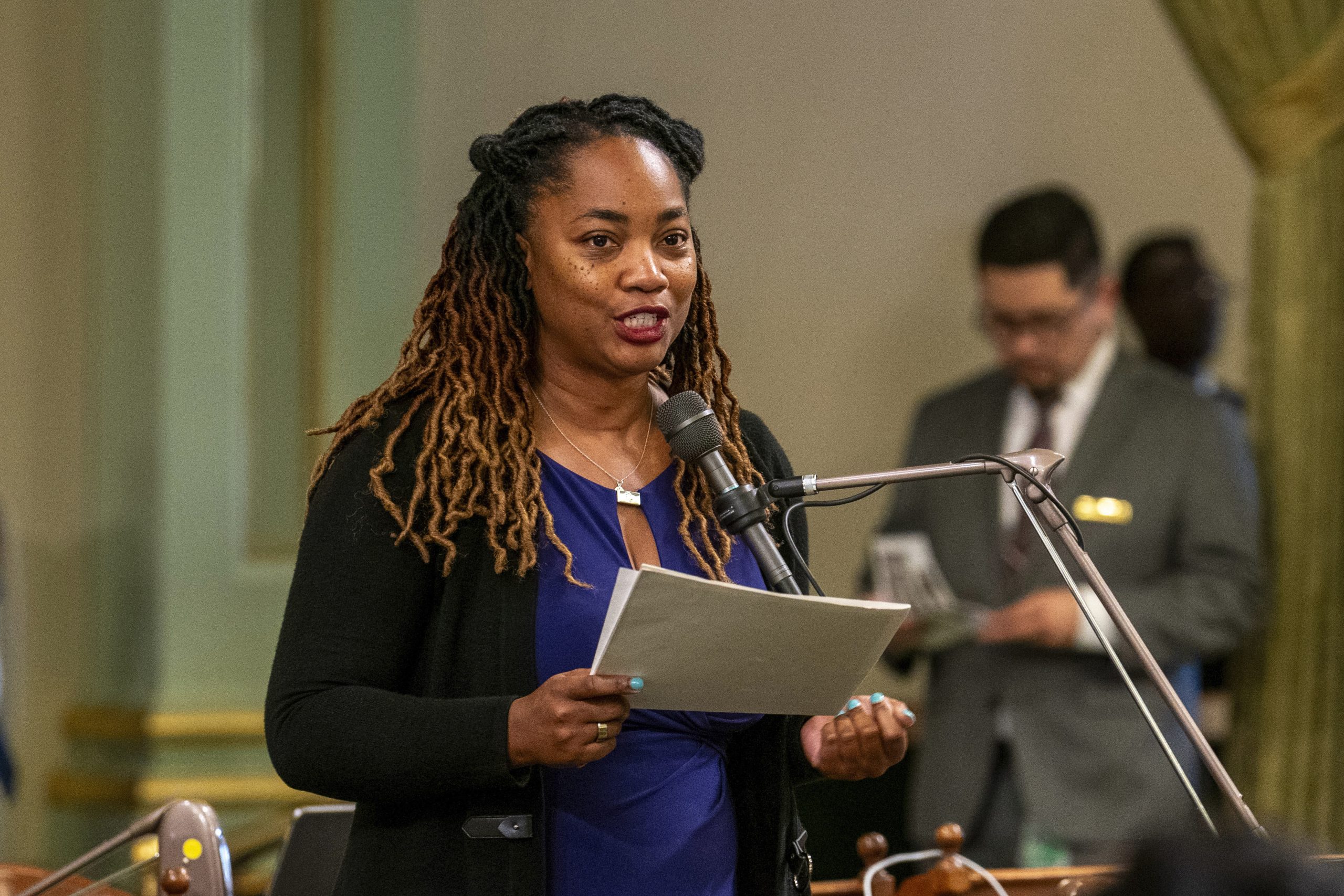


Dramatic changes to a bill aimed at helping the Midway Rising project in San Diego continue as negotiations to exempt the planned sports arena and housing from the state’s preeminent environmental law press on.
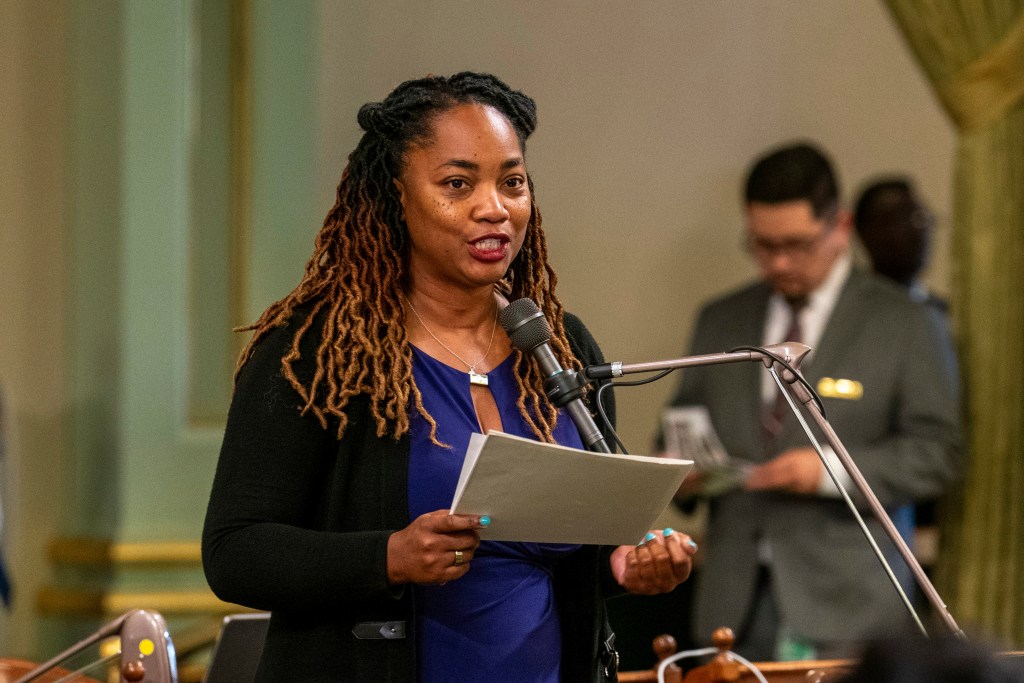
The bill, Senate Bill 958, would clarify state law that if a project examines and mitigates its environmental impacts adequately, its height alone cannot be considered additional impacts needing study. It is a direct legislative follow up to a state Supreme Court ruling that struck down a voter-approved ballot measure that lifted the 30-foot coastal height limit for the entire Midway planning area. The new bill is authored by Senator Akilah Weber Pierson, who represents the Midway District.
It’s common for housing bills that target CEQA to undergo numerous changes as construction unions bargain for minimum pay levels and union hiring requirements. Recent changes to SB 958, including removing language about labor contract agreements, are one example of the ongoing conversations with interest groups.
“SB 958 improperly uses CEQA exemption legislation as a vehicle to advance a policy preference for project labor agreements (PLAs), thereby undermining fair and open competition in California’s construction market,” Richard Markuson, a lobbyist for Western Electrical Contractors Association, wrote in an April 10 opposition letter addressed to Weber Pierson..
Project labor agreements are contracts that typically steer developers toward hiring unionized workers. WECA represents non-union electrical workers.
An original draft of the bill exempted the entire project from the California Environmental Quality Act, the state’s premier environmental law, which can lead to delays and costly litigation. Then, suddenly, after an April 14 committee hearing, Weber Pierson dramatically narrowed the bill to focus only on a minor clarification to state law about whether a project’s height should be considered “significant” as part of the environmental review process. It also removed the language about project labor agreements.
In January, the state Supreme Court ruled that a 2022 ballot measure allowing the stadium to exceed the Midway District’s 30-foot height limit did not properly inform voters about the environmental impacts of taller buildings.
City officials have since pushed heavily for legislation that would give the long-delayed stadium a break from the state’s hallmark environmental law, a time-tested method that previous sports projects have used to speed-up construction.
The California Conference of Carpenters, which supports the bill, has been an influential force in the state’s housing and development politics, and is likely one of the main interest groups lawmakers are working with on SB 958. Last year, the carpenters helped lawmakers pass major housing reforms through negotiations for minimum wages for housing construction workers.
The United Brotherhood of Carpenters and Joiners of America, the national umbrella that includes the California conference, has donated at least $28,800 in campaign contributions to Weber Pierson from 2021 to 2024, according to CalMatters’ Digital Democracy database.
At an April 22 hearing, Weber Pierson said the bill was changed after initial feedback from the Senate Committee on Environmental Quality “so that impacts related to increased building height are properly accounted for within the project’s future environmental impact report.”
It unanimously passed the Senate Local Government committee and is expected to be up for a floor vote in the coming weeks.
“The bill focuses narrowly on building height to clarify recent court rulings with statewide implications. It does not create exemptions for any project,” Weber Pierson said in an emailed statement.
The bill has traveled through the Legislature with little fanfare. At a Senate Local Government hearing last week, amendments to the bill were met with no opposition from lawmakers or environmental groups.
For nearly two decades, California lawmakers have helped developers who want to build sports arenas in their districts bypass the state’s environmental reviews, which can often lead to costly lawsuits and years-long delays.
Some Democrats joined environmentalists to make it harder for other lawmakers to push through legislation that allowed professional sports stadiums to sidestep the environmental review process. But last year’s major housing legislation that exempted most new apartment housing from CEQA epitomized the decade-long shift in attitudes toward the keystone environmental law as a burden rather than something worthy of protection.
This sea change makes it easier for all developers to point to CEQA and say it’s making it more difficult for them to develop, too, said Kellen Zelle, a land use law professor at the University of Houston.
“Just in a decade or so, the ‘third [legislative] rail’ of CEQA has become very vulnerable to change,” Zelle said.
In 2017, developers for a proposed Clippers’ arena sought to shorten the amount of time CEQA lawsuits against the project could last just three years after the San Francisco Warriors pushed for similar legislation.
What I’m Reading Now
- Xavier Becerra’s rise in the race to replace Gov. Gavin Newsom has baffled some of his former colleagues, Politico writes.
- Democrats are, again, under pressure to eek out more congressional seats as the redistricting war continues to escalate, the Los Angeles Times reports.
- The San Francisco Chronicle maps California voters by six distinctive groups beyond Democrat or Republican, ‘Tesla liberals’ included.
Thanks for reading the Sacramento Report. Please reach me at nadia@voiceofsandiego.org for any comments or questions.
The post Sacramento Report: What’s Behind the Changes to the Midway Rising Bill appeared first on Voice of San Diego.