Sacramento Report: Erasing Cesar Chavez
 EM - News Moderator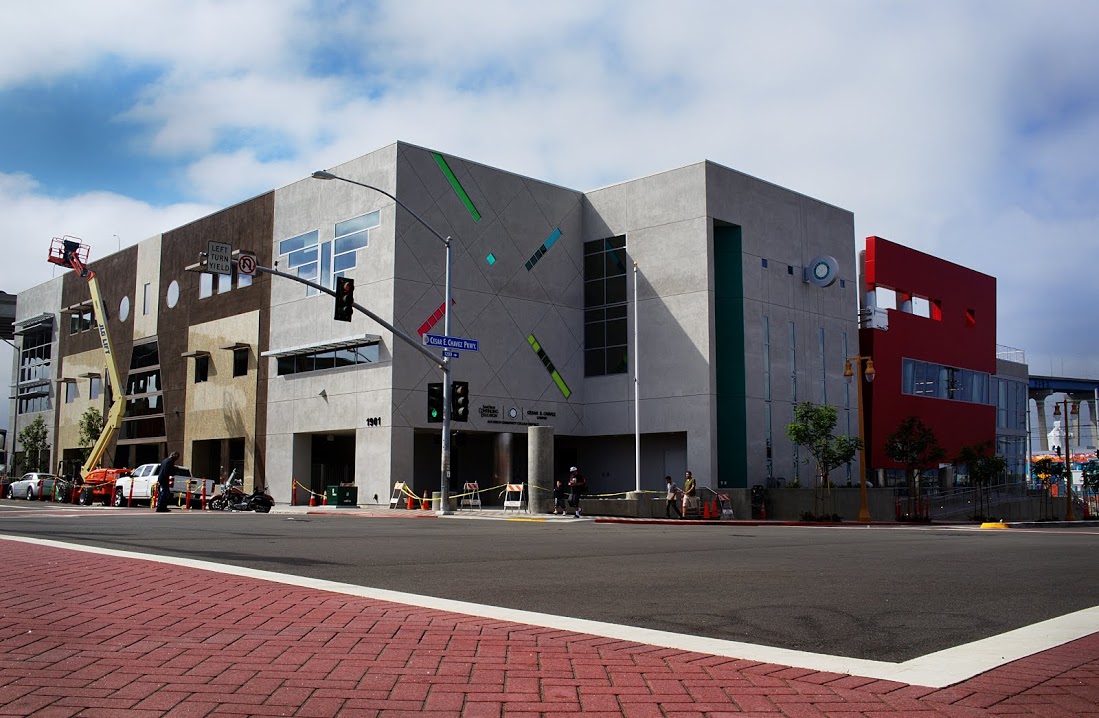


As advocacy groups clambered Capitol offices this week ahead of the spring recess, lawmakers grappled with an unexpected bombshell: revered labor rights activist Cesar Chavez has been accused of sexual abuse.
Meanwhile, members of the legislative Progress Caucus laid out their proposals for addressing state and federal funding cuts to social services.
Welcome back to this week’s Sacramento Report. Let’s get into it.
California to Rename Chavez Holiday to Farmworkers Day
Lawmakers on Thursday said they will fast-track legislation to rename Cesar Chavez Day to Farmworkers Day before March 31. The announcement came one day after two women and renowned activist Dolores Huerta said Chavez sexually abused them.
It’s a striking reversal for a state whose Democratic politicians have long revered Chavez and led the charge in California becoming the first state in the nation in 2000 to name a holiday in his honor.
The Legislature will work with local governments and school districts to help adopt the change, said Assembly Speaker Robert Rivas and Senate Leader Monique Limón in a joint statement.
City leaders across the state, including in San Diego, have pledged they’ll change street, park and library names after Chavez, which can be a costly and slow process even under sped-up circumstances.
The San Diego City Council would have to vote on the name of Cesar Chavez Parkway and others after an internal review is completed, city logistics officer Bethany Bezak told Voice of San Diego. The review includes identifying where the city needs to place new sign posts.
“From an expediency standpoint, City Council can take the action most quickly with something like this,” she said, although this process can take several weeks.
Another option would be submitting a petition requesting a name change, but that requires getting support from all property owners and businesses that’d be affected by the address change.
As for how much it’ll cost? City officials say they aren’t sure yet, but it would depend on the number of intersections, signs posts and removal and installation costs.
Businesses on Cesar Chavez Parkway would also likely have to pay for changing addresses on websites, business cards and other stationery.
San Diego Lawmakers Respond
Members of the Latino Caucus swiftly rebuked Chavez and focused on the broader farmworker rights’ movement in their responses to the allegations.
“It’s painful and disappointing,” Democratic Sen. Steve Padilla told Voice of San Diego shortly after a New York Times investigation found that Chavez sexually abused and groomed young women.
“It’s appropriate that we lift up survivors and their pain,” Padilla said.
David Alvarez, whose district encompasses the predominantly Latino Barrio Logan neighborhood in downtown, similarly expressed support for the women.
“Though I never met him, I grew up looking up to Cesar Chavez,” Alvarez said. “But those of us in the Latino community who have praised his legacy must now lead in calling out his behavior and refusing to continue celebrating someone who does not deserve that honor.”
Progressives Call For Reversing Budget Cuts
Lawmakers with the Progressive Caucus urged the governor to restore Medi-Cal coverage for immigrants without legal status at a press conference laying out their legislative priorities earlier this week.
California is expected to lose billions of dollars for social programs due to federal funding cuts. Amid a multi-billion dollar budget deficit, Gov. Gavin Newsom paused coverage for immigrants without legal status last year and proposed to do so again for next year’s budget.
This angered progressives, and caucus members on Tuesday proposed solutions such as requiring companies to pay for some of the healthcare costs of employees that rely on Medi-Cal.
One popular proposal for impending Medi-Cal cuts is to tax the ultra-rich.
Workers with the Service Employees International Union-United Healthcare Workers West have proposed a ballot initiative that would impose a one-time 5 percent wealth tax on California billionaires that they say would go toward funding healthcare.
Lawmakers at Tuesday’s press conference did not bring up the ballot initiative, and Assemblymember Alex Lee, who leads the caucus, said it will not take a formal position until the initiative is certified for the November election.
“I think the sentiment is very clear that people want billionaires to pay,” Lee said of caucus members. “Any disagreement is about technicality and policy, which is good and healthy to have.”
Most Democrats, including Newsom, and labor unions oppose the initiative over fears that it would spur a mass exodus of the state’s billionaires whose income makes up a significant portion of the state’s revenue, and that its purpose is too narrow.
The proposal would generate an estimated $100 billion over four years and address the $30 billion California would lose annually from Medicaid cuts in President Trump’s spending bill.
It has rocked much of Sacramento’s political class and spurred fears among Silicon Valley entrepreneurs who some of, in response, have already left the state.
What do San Diego members in the Progressive Caucus think?
“One of the things that I’m concerned with is that it’s one-time in nature, that is really going to sunset after a couple of years, but we know we’re going to have ongoing needs and expenses,” Assemblymember Chris Ward said. “There is a need to look at a wealth tax for a more broad range, including healthcare workers, but for other purposes of a state priority.”
Assemblymember LaShae Sharp-Collins, who is also a member of the caucus, did not respond to an in-person request or an email seeking comment.
What I’m Reading Now
San Jose Mayor Matt Mahan’s gubernatorial campaign began with a bang and lots of tech cash. But the polls aren’t bearing out, Politico reports.
After agreeing to sell its oversupply of water to neighboring Riverside County, San Diego officials are trying to figure out how to haul more water, and for more money, across state lines, Voice of San Diego explains.
CBS News shuts down its hallmark radio division after nearly 100 years, from the Los Angeles Times.
Thanks for reading this week’s Sacramento Report. Please reach me at nadia@voiceofsandiego.org.
The post Sacramento Report: Erasing Cesar Chavez appeared first on Voice of San Diego.