Fitch: Middle East war weighs on Philippine credit rating outlook
 EM - News Moderator


By Katherine K. Chan, Reporter
RISKS of stalled growth and slower fiscal consolidation amid the ongoing war in the Middle East could imperil the Philippines’ credit rating, especially as the country is among the most exposed to disruptions, Fitch Ratings said.
Jeremy Zook, senior director for Asia-Pacific (APAC) Sovereign Ratings at Fitch Ratings, said the Philippine economy could still recover this year from the flood control corruption scandal fallout, but emerging risks from the Middle East war will likely delay the rebound.
“Our baseline expectation is that we do see a gradual pickup in some of that (capital expenditure) and growth does recover in 2026,” he said in an online briefing late on Wednesday. “Now, of course, the conflict in Iran does challenge this baseline.”
Though Fitch sees the current growth risks as temporary, further escalation might bring negative rating pressures, according to Mr. Zook.
“Right now, we do view this slowdown in growth as temporary and, again, perhaps hit even more by the Middle East shock. But I think it would be kind of our view that… if these growth challenges become more ingrained and more structural in nature, then that would really be where the potential rating challenges and rating risks come from,” he said.
In April last year, Fitch affirmed its “BBB” long-term foreign currency issuer default rating and “stable” outlook for the Philippines.
A “stable” outlook means the Philippines will likely maintain its rating in the next 18 to 24 months.
Finance Secretary Frederick D. Go said in an earlier interview with Bloomberg that the ongoing US-Israel war on Iran poses a challenge to the Philippines’ goal of achieving an “A” rating from credit rating agencies like Fitch.
Still, he affirmed that economic managers will “continue to pursue that road to ‘A.’”
In an earlier commentary, the debt watcher said a prolonged and intensified conflict in the Middle East would weigh on the country’s oil imports, overseas Filipinos’ remittances and the peso, which could lead to a “substantial impact” on its credit rating.
Fitch Ratings Head of APAC Sovereigns Thomas Rookmaaker noted at the same briefing that economies in the region are “particularly vulnerable” to energy shocks.
“The large shares of the oil and gas products that are used in this region that pass through the Strait of Hormuz, of course, is a vulnerability,” he added.
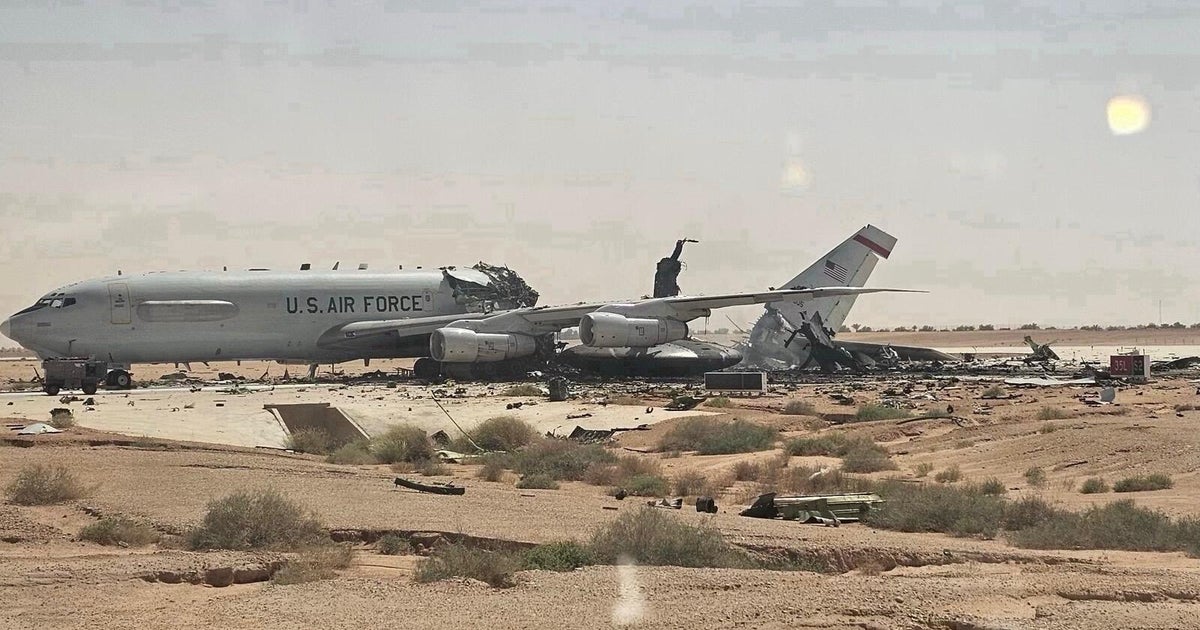
Three weeks since the United States and Israel’s attacks on Iran late last month, Iran continues to block the Strait of Hormuz for the two countries and their allies’ vessels, fueling concerns over oil trade from the region as disruptions in the vital chokepoint have pushed fuel prices up globally.
Nearly a fifth of the world’s oil supply, including about 98% of the Philippines’ crude supply, is shipped via vessels from the Middle East that traverse the Strait of Hormuz.
However, Fitch noted that the Philippines might suffer more economic spillovers compared to its regional peers considering its heavy reliance on oil from the Middle East.
“Certainly, as a very large net energy importer, (the) Philippines is probably one of the more exposed in terms of potential economic impact in the APAC region,” Mr. Zook said.
In the local market, fuel prices continue to climb double digits weekly, with diesel prices now over P100 per liter.
Economic managers have already warned that prolonged oil shocks would strain the Philippine economy, potentially accelerating inflation near or even above the central bank’s 4% tolerance point and shave off 0.2-0.3% from gross domestic product (GDP) growth.
Meanwhile, Mr. Zook said that the oil crisis could likewise dampen the country’s fiscal measures.
“I think on the fiscal side, just touching on that briefly, of course, the oil shock could have some implications there as well,” he said. “It may mean a slower pace of consolidation going forward and certainly a higher fiscal deficit this year, as we have seen some in the way of subsidies being rolled out already.”
Mr. Rookmaaker also said significant oil supply shock, with oil price holding at $100 per barrel, could trim 0.4 percentage point from global GDP growth. The debt watcher projects the global economy to grow by 2.6% this year.
Iran has warned that global oil price could surge to $200 per barrel, a development analysts said might not be far-fetched as the war drags on and with retaliation worsening tension in the region