Fare hike proposed for bus, trolley riders in San Diego County
 Dante Ulanday - News Moderator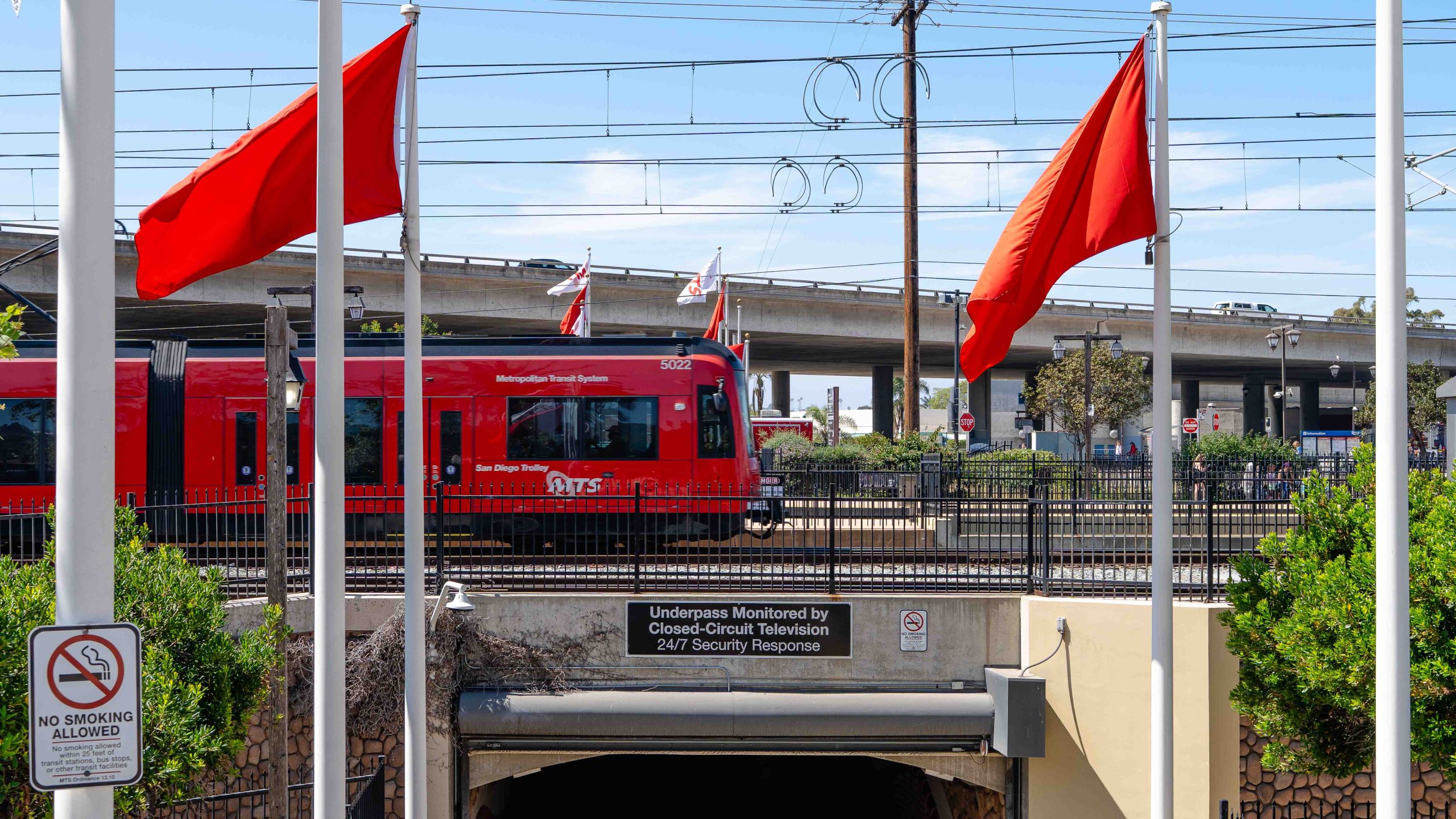



Grocery prices are up, gas too, and now, potentially, bus fares, which could reach $3 a trip under a proposal for the first transit fare hike since 2019.
The boards for two local transit agencies recommended the rate increase on Thursday to “help address their respective financial sustainability strategies,” according to a joint statement from the agencies.
The plan by the San Diego Metropolitan Transit System and North County Transit is set to go in front of a regional transportation committee for approval this summer.
If approved by the committee, part of the San Diego Association of Governments, fare increases are expected to take effect this fall in a phased approach over two years. The second increase would occur in fall 2027.
For one-way rides on San Diego-area buses and trolleys, the proposal would increase rates to $3 this fall and $3.25 next year. Riders currently pay $2.50 per trip. Day passes would rise to $7, but stay at that rate in the second phase.
MTS and NCTD monthly passes would increase from to $85 for adults in the first year, up from $72, then to $95. For seniors, disabled people and Medicare recipients, the pass would cost $28 under the proposal, increasing to $30 in the second year.
COASTER passes will change from a zone model to a flat-fare model this fall with one-way fares of $6.50 for adults and monthly passes that would cost $185. For seniors, disabled people and Medicare recipients, one-way fares would rise to $3.25, and monthly COASTER passes to $60.
The final fare proposals will head to the committee in May or June.
“These fare increases are part of a wider set of strategies to push out a fiscal cliff in order to identify sustainable long-term funding solutions that preserve vital transit service for San Diego,” the agencies said in their statement.
Local officials have pointed to that “fiscal cliff” for years. In arguing for the 2019 fare increase, the first since 2009, officials said transit operating costs had climbed by more than 25% over the prior decade, leading to a structural deficit.
The new revenue failed to close it. Ridership plummeted in 2020 during the pandemic and by 2023, transit officials across the state were predicting dark times ahead due to a range of factors, from rising workforce costs and higher operating expenses to flat sales tax revenues and limited local funding.
In November, MTS, despite experiencing ridership gains, projected a deficit of $120.1 million by 2029. A year later, the agency said, the gap could jump by another $25 million.
As MTS prepared to address the problem, the agency reached out to the public about transit priorities, both by holding workshops and conducting surveys.
Approximately 7,600 people participated in the surveys, and their clear priority was maintaining frequent service. The agency didn’t ask them about higher fares, instead posing a question about lower fares, which respondents ranked sixth among their priorities.
If passed, the new fare increases would net MTS up to $14 million. Fare revenue accounts for 17% of MTS’ operating budget, roughly $80 million of the current year’s $473 million budget.
MTS, in a table outlining the fare increases that was provided to the public for Thursday’s hearing, noted that the projected shortfalls, if not addressed, “could affect service, including how often buses and trains run and how many routes are available.”
City News Service contributed to this report.