BSP to crack down on online lenders’ unfair debt collection practices
 EM - News Moderator


By Katherine K. Chan, Reporter
THE BANGKO SENTRAL ng Pilipinas (BSP) will enforce tight regulations against unfair debt collection practices of online lenders once it gains full oversight of the sector, an official said.
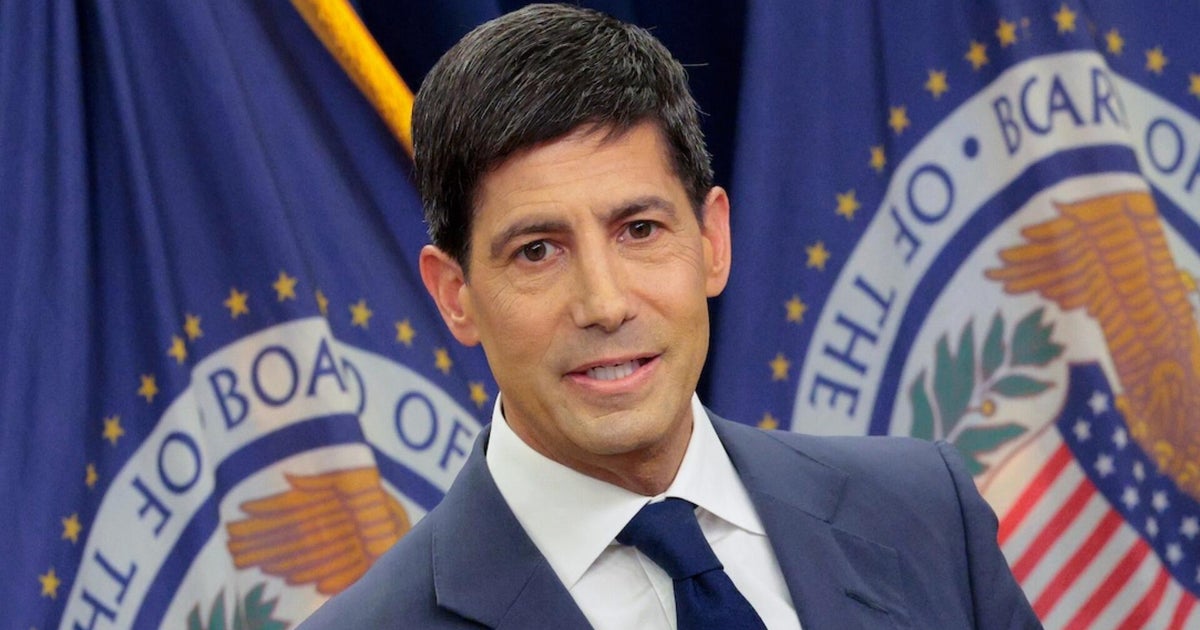
BSP General Counsel Roberto L. Figueroa told BusinessWorld that the central bank will prioritize issuing regulations addressing predatory lending and abusive debt collection practices of online lending companies (OLCs).
“Once we have fully transitioned into being the regulator of online lending companies — online lenders — that’s the first thing we’ll look into,” he said on the sidelines of a central bank event last month.
“Because, in fact, under the Financial Consumer Protection Act that’s also already a prohibited act. So, yes, we’ll look into that.”
According to Mr. Figueroa, the BSP’s technical working group for the matter has been reviewing all existing laws related to regulating lending companies’ debt collection practices.
In a circular issued last month, the Securities and Exchange Commission (SEC) said lending companies proved to be engaging in unfair debt collection practices must pay a P60,000 fine for a first offense and P250,000 for a second offense, with larger fines of P100,000 for a first offense and P500,000 for a second offense set for financing companies.
The SEC may also impose a fine of at least twice the amount imposed for a second offense but not more than P1 million for succeeding offenses and suspend a firm’s certificate of authority for 60 days or revoke it.
In April, SEC Commissioner Rogelio V. Quevedo said they submitted a position paper to the Congress proposing to transfer the oversight of online lenders to the BSP. The corporate regulator has flagged the challenges of tackling rising cases of fraud in the sector.
Mr. Quevedo has noted that the BSP and legislators earlier wanted to pursue a joint regulatory approach, but Mr. Figueroa hinted that the BSP is now open to shoulder the full responsibility.
“Both regulators, SEC and BSP, are in agreement with this planned transfer — meaning there’s no opposition or objection on the part of the SEC to transfer it to us. On the part of the BSP, we also have no objection to us receiving that additional responsibility. For me, that’s a very positive sign,” the general counsel said.
However, discussions regarding the transition are still ongoing, with the central bank facing bottlenecks due to the two special laws placing the direct supervisory and regulatory powers over nonbank lenders under the SEC.
Mr. Figueroa noted that the BSP’s technical working group is still determining whether the oversight transfer could be implemented using circulars backed by existing laws, or if they would need legislation amending the special laws.
“What complicates it is that there are these two special laws. That’s why another option that we’re looking at right now is to do it through the legislative route, meaning another law that will be passed to maybe amend those two special laws to transfer the regulatory authority or jurisdiction from SEC to BSP,” he said.
However, according to Mr. Figueroa, the latter entails “cleaner” yet lengthier process, especially considering the Senate is busy with the ongoing impeachment trial.
The Financing Company Act of 1998 and the Lending Company Regulation Act of 2007 are special laws that grant the SEC authority over nonbank financing and lending firms in the country, including OLCs.
Meanwhile, the BSP Charter also grants the central bank jurisdiction over credit granting businesses but does not specify how they can act as regulators of OLCs, Mr. Figueroa noted.
“That’s why we’re doing this in parallel. We’re trying to talk to one another between BSP and SEC,” he said. “What are the things we can do even without a law? But at the same time, we’re not closing the option of going to Congress.”
BSP Governor Eli M. Remolona, Jr. has previously said that the transfer of oversight of online lending companies and the Credit Information Corp. to the central bank are among the legislative priorities they are pushing for.
Fintech Alliance.PH, the country’s largest digital finance industry association, has also voiced its support for the transfer of online lenders’ oversight to the BSP, noting that the move will improve the sector’s regulation.
Earlier this month, the SEC announced that it will allow financing and lending companies to register new online lending platforms (OLPs) starting Aug. 1, ending the moratorium it set in August 2021.
An OLP refers to any borrower-facing digital platform, application, or system used for financing and lending activities such as loan applications, credit evaluation and loan repayment.
However, under the SEC’s new rules, financial firms should only own and operate up to five OLPs, and maintain a higher paid-up capital based on the number of platforms they have.
Financing companies with one OLP are required to have a minimum paid-up capital of P20 million, P40 million for two OLPs, P60 million for three OLPs, P80 million for four OLPs, and P100 million for five OLPs.
The regulator said the new rules aim to enhance the regulatory oversight of the sector and tighten consumer protection.