Border Report: Deaths Prompt Detention Center Inspections
 EM - News Moderator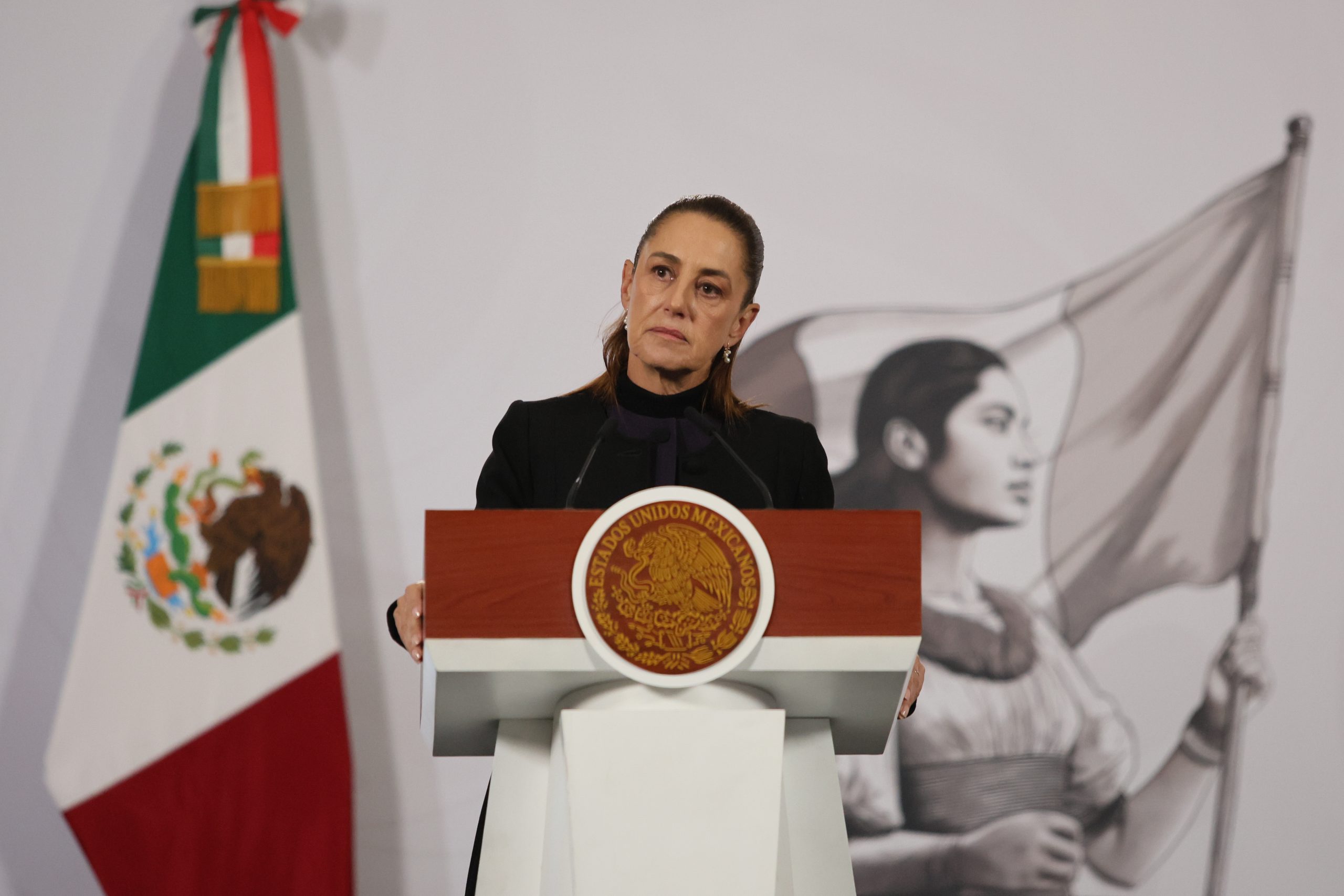


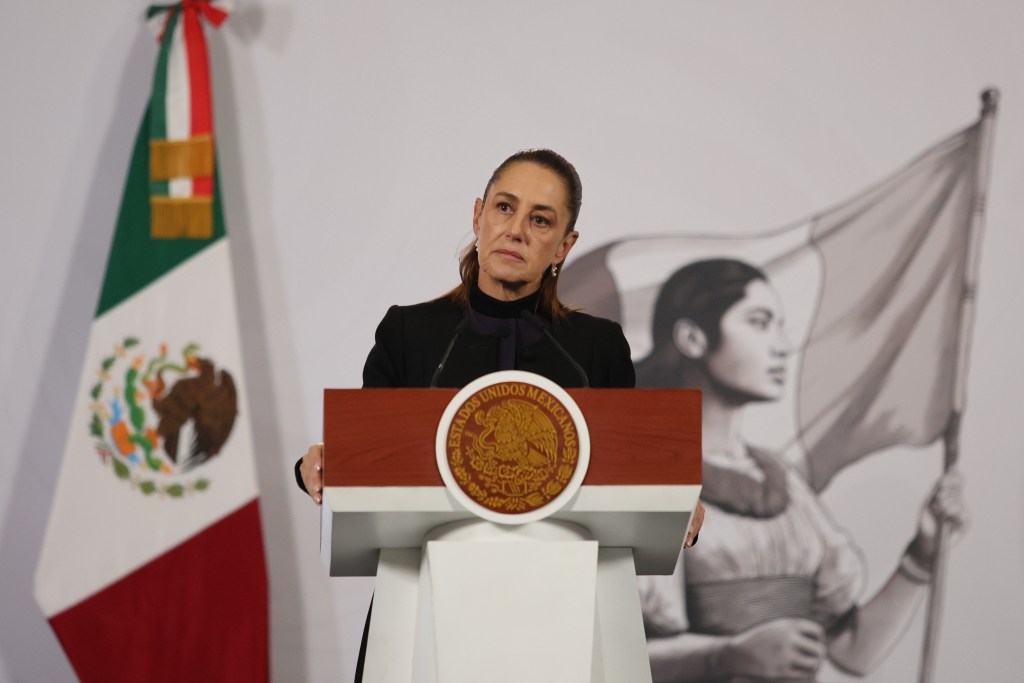
Mexican President Claudia Sheinbaum has called on consulate staff to increase their oversight of U.S. detention facilities in response to the increasing number of Mexican citizens who have died in custody since President Donald Trump came back into office.
At least 17 people have died in the custody of U.S. Immigration and Customs Enforcement so far in 2026 and 50 in total during the Trump administration, according to information ICE has released. At least 14 people who have died so far during the Trump administration were from Mexico, according to ICE.
In an announcement last week, Mexico’s Foreign Ministry said Sheinbaum had instructed it to intensify efforts to monitor conditions for Mexican citizens in U.S. custody, including through daily visits to detention sites.
“The government of Mexico will continue to pursue all available legal and diplomatic avenues regarding this issue, and reiterates its firm commitment to protecting the rights and dignity of all Mexican nationals abroad, regardless of their immigration status,” the ministry said in a press release.
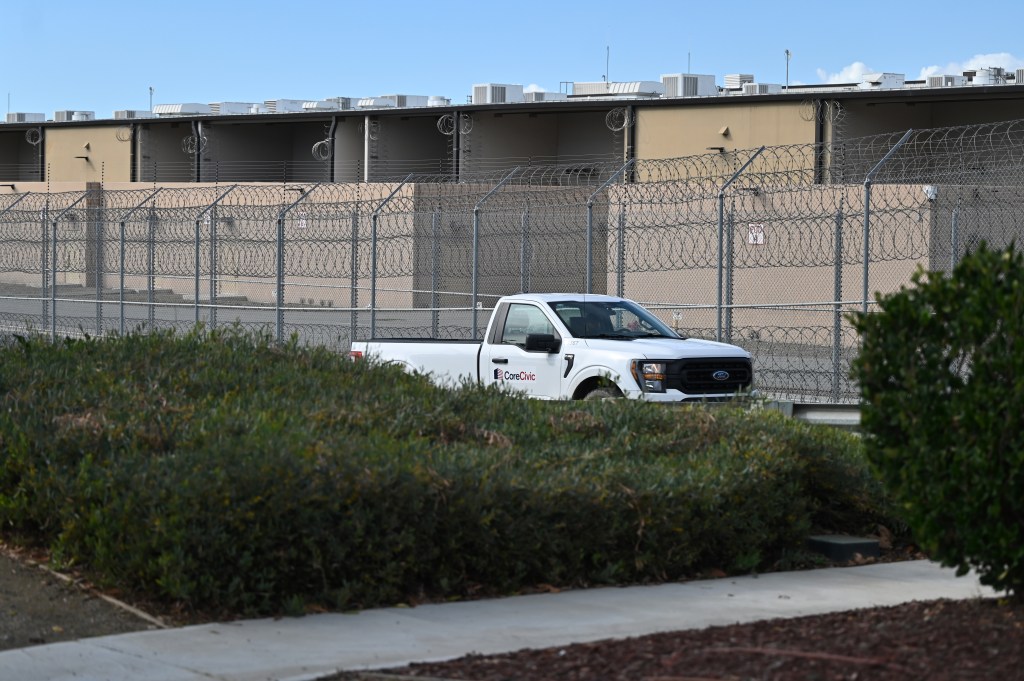
Ambassador Alicia G. Kerber-Palma said that San Diego consulate staff in the Department of Protection have already been visiting immigration detention facilities daily, including Otay Mesa Detention Center. She said staff also visit the ICE holding area in the basement of the Edward J. Schwartz Federal Building and Border Patrol stations on a daily basis and that they also visit the local jails and prisons several times per week.
“It’s to verify the physical state and health of the Mexican people who are detained, make sure their human rights are respected and give them support in their migration situation,” Kerber said.
Under the 1963 Vienna Convention on Consular Relations, countries are required to notify consulate staff if a citizen of their country is taken into custody or imprisoned “without delay.” Consular staff have a right to visit those detained citizens, under the convention, unless the people detained say they do not want to talk to the consulate.
Kerber said that not everyone detained at Otay Mesa agrees to meet with consulate staff. She estimated that every day, staff conduct between 40 and 50 interviews at Border Patrol stations, and six to 10 interviews in ICE detention.
She said consular staff have a detailed questionnaire to monitor how Mexican citizens are treated and that if someone has a medical condition that isn’t receiving treatment, her staff will communicate with U.S. government officials to advocate for the person to get care.
When I asked her about what she’s heard about conditions inside, she avoided answering directly, true to her diplomatic role.
“We work to establish those bridges of communication to benefit our conationals,” Kerber said. “It’s not a situation of confrontation. If there’s no confrontation, there’s no dialogue, and without dialogue, it’s difficult to defend our conationals. When we find out things, we let migration authorities know.”
But, she did admit that she worries about the people in custody.
“I think the whole consular network is worried about the situation of our conationals,” Kerber said. “They’re not numbers. They’re human beings. They’re our fellow Mexicans. They’re our countrymen and countrywomen.”
“This is our most vulnerable community,” she added. “It worries us what could happen, and because of that, we strengthen the communication and dialogue with North American officials.”
Mostly, Mexican citizens ask her staff to explain what’s happening in their immigration process in the United States and what will happen to them if and when they’re deported, Kerber said. They also ask the consulate for help in maintaining contact with their family members, she said. Staff can help people deported from immigration custody get their belongings back.
The consulate also evaluates, on a case by case basis, requests for financial assistance from families left behind, she said.
She said roughly 80 percent of people her staff interview have families in the United States. They have been living here on average for nearly a decade.
She said most people that her staff interview already have immigration lawyers — which she believes is a credit to Know Your Rights campaigns that help people prepare for the possibility of an immigration arrest — and that the consulate will help find attorneys for people who have legitimate cases to stay.
Consulate staff have taken tours of the detention facilities to ensure that signs informing detainees about their rights to speak with consulate staff are posted and that detainees can easily call consular numbers via the phones, she said.
Thank you for reading. I’m open for tips, suggestions and feedback on Instagram @katemorrisseyjournalist and on Bluesky @bgirledukate.
In Other News
Sacred land: Joaquín Patiño reported for El País that blasts to build border wall in Tecate are destroying sacred Kumiai land.
Fast pass: San Diego college students living in Tijuana can now apply for fast passes to access an expedited lane through a pilot program with Customs and Border Protection, Alexandra Mendoza reported for The San Diego Union-Tribune.
More flights: Deportation flights from San Diego have increased under the Trump administration, including leaving from Marine Corps Air Station Miramar, Gustavo Solis reported for KPBS.
Delayed renewals: Delays in renewing work permits for people who have temporary protection from deportation because they came to the United States as children have meant many are having to stop working while they wait, Shelby Bremer reported for NBC7.
The post Border Report: Deaths Prompt Detention Center Inspections appeared first on Voice of San Diego.