At Our Peril: Ignoring the Canary in the Coal Mine of Arts and Culture Defunding
 EM - News Moderator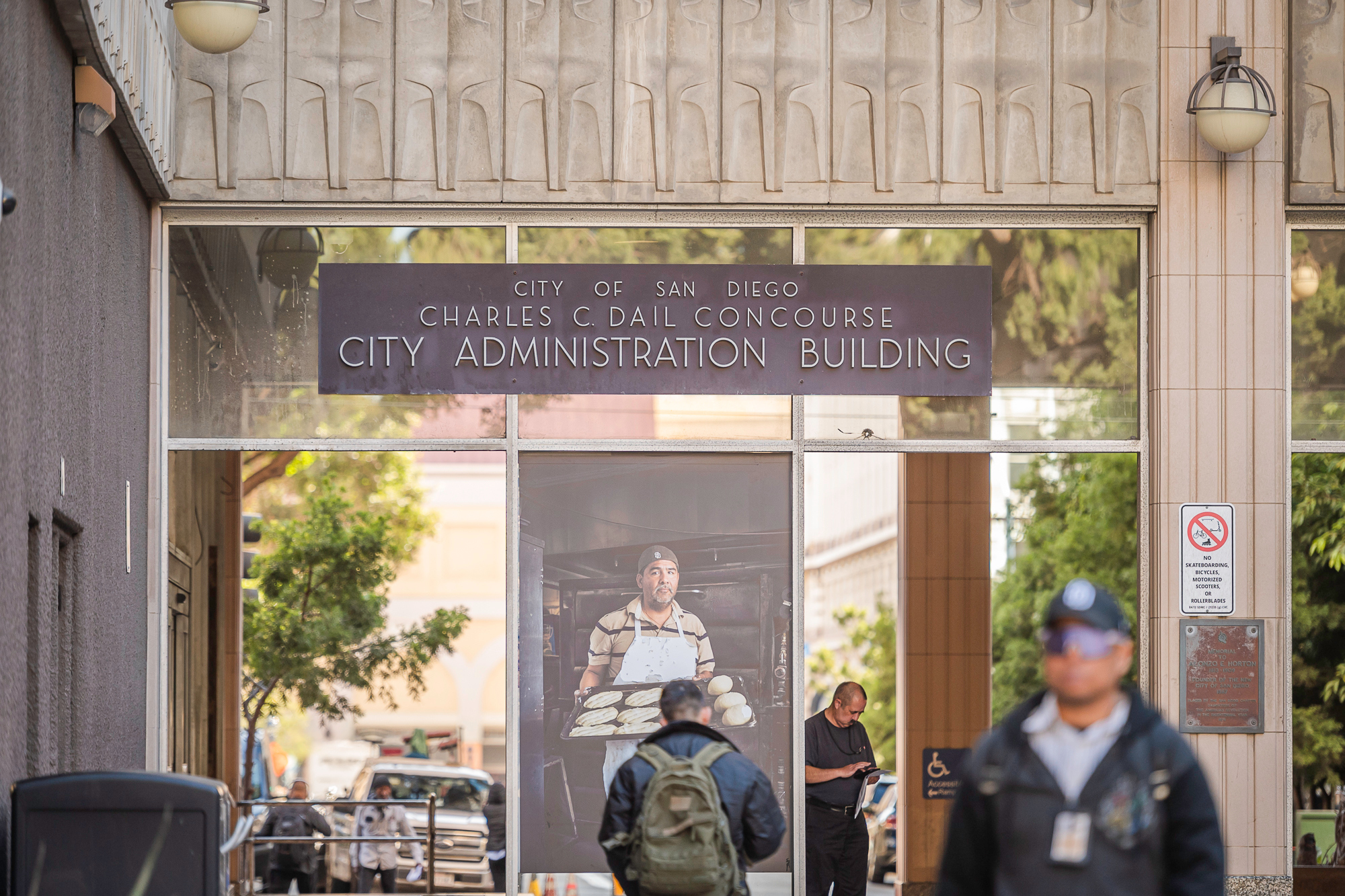



Over a recent phone conversation, a friend conveyed her sense of disillusionment with how cities are being managed. The expression “tone-deaf” came up, and that warnings are all around us. Across the United States, cities are making budget decisions that reveal far more than their fiscal priorities. They reveal their values, their imagination, and their sense of responsibility to future generations.
In San Diego, the mayor’s proposed budget would virtually eliminate nearly the entire $12 million arts and culture budget, effectively dismantling the cultural ecosystem of educational organizations filling the gaps for student art education-based programming, artist support to produce works that attracts visitors and creates a livable and forward city to enjoy, visit and invest in. An ecosystem that extends across borders and has taken decades to build.
This is not simply a budget cut. It is a cultural alarm, a canary in the coal mine warning us about the direction of our civic life. Tough budget decisions need to be made but they should be in balance and proportion among city departments, given the arts and culture budget for San Diego represents less than 1 percent of the city’s general fund. This will not solve the deficit, and it is just not proportional to reductions in other departments. Simply put, these drastic cuts are draconian, shortsighted, and contradictory to prioritizing the community’s that city leaders claim to prioritize.
For centuries, societies have understood that arts, culture, and the humanities are not decorative luxuries but foundational civic infrastructure. The ancient Greeks embedded theater, philosophy, and public art into the daily life of their cities because they believed that a healthy democracy required imagination, debate, and shared cultural rituals. Aztec empires and Renaissance cities invested heavily in artists and scholars because they recognized that creativity fuels innovation, economic vitality, and civic pride. Today, global cities that lead in technology, science, and economic competitiveness are the same cities that invest deeply in cultural life.
San Diego’s proposed cuts stand in stark contrast to this long historical arc. They also contradict the commitments we make on the international stage. Just recently the mayor signed a Sister Cities agreement with Marseille, France, a city that invests robustly in its cultural institutions and where arts and culture are one of the three central pillars of the partnership. Marseille understands what many global cities understand: cultural investment is a strategy for economic development, social cohesion, and international identity. To sign such an agreement while simultaneously gutting our own cultural infrastructure sends a confusing and, perhaps unintentional, message about our seriousness as a global city.
Doris Sommer of Harvard University, a leading literary scholar of civic culture, often reminds policymakers that Susan Magsamen’s statement “art is not the decoration of democracy, it is the engine” is apt for our times. Sommer’s research and practice demonstrate that cultural participation strengthens literacy, civic engagement, and problem‑solving, precisely the capacities a diverse democracy requires to function, and the skills cities need to navigate complex futures. When a city defunds its cultural sector, it’s not trimming fat. It’s weakening its civic muscle.
The consequences are not abstract. San Diego’s arts and culture organizations from youth theaters and community festivals to cultural centers and museums serve more than a million residents annually. They provide after‑school programs, mental health support, intergenerational learning, and spaces for young people to explore identity and belonging. They anchor neighborhoods, attract tourism, and generate economic activity. The arts sector contributes billions to San Diego’s economy yet receives a fraction of one percent of the city budget.
For decades, San Diego has failed to honor its own “penny for the arts” commitment, a 2012 promise that would have stabilized funding requiring the city to spend 1 percent, a penny, of all hotel room revenue on grants to cultural organizations, aligning us with other major cities. Instead, we are now contemplating erasure: the disappearance of programs that help children see themselves as creators; the loss of cultural spaces that preserve immigrant histories; the silencing of artistic interventions that challenge us to question and imagine better futures.
Philosophers, economists, and urban theorists have long argued that a city’s cultural life is a leading indicator of its future. As Malcolm Gladwell might frame it, we are approaching a tipping point, a moment when small decisions accumulate into irreversible change. If we allow cultural defunding to become normalized, we risk becoming a city that cannot imagine itself forward. If this is not our tipping point, what is? San Diego stands at a crossroads. We can choose austerity, short‑term thinking, and the slow erosion of civic life. Or we can choose to honor the commitments we make to our children, to our communities, to our international partners, and to the generations who will inherit the city we shape today.
What does it say about a city’s leadership when it places zero value on the artistic and cultural contributions that shape civic identity? What does it say when we ignore decades of evidence that arts and culture are economic drivers, public health strategies, and youth development lifelines? What does it say when we invest more in law enforcement than in expression, more in reaction than in prevention?
The canary in the coal mine is singing loudly. The question now is whether we will listen and whether we will act before the silence becomes permanent.
Linda Caballero Sotelo is a cultural policy strategist, scholar and advisor working at the intersection of arts, culture, democracy, and community belonging. She advises national and international institutions on cultural infrastructure, public policy and civic engagement. She is a research associate of Cultural Agents Initiative at Harvard. She is based in San Diego.
The post At Our Peril: Ignoring the Canary in the Coal Mine of Arts and Culture Defunding appeared first on Voice of San Diego.