The seismic hazard in our backyard — What San Diegans don’t know about the potentially deadly Rose Canyon Fault
 Dante Ulanday - News Moderator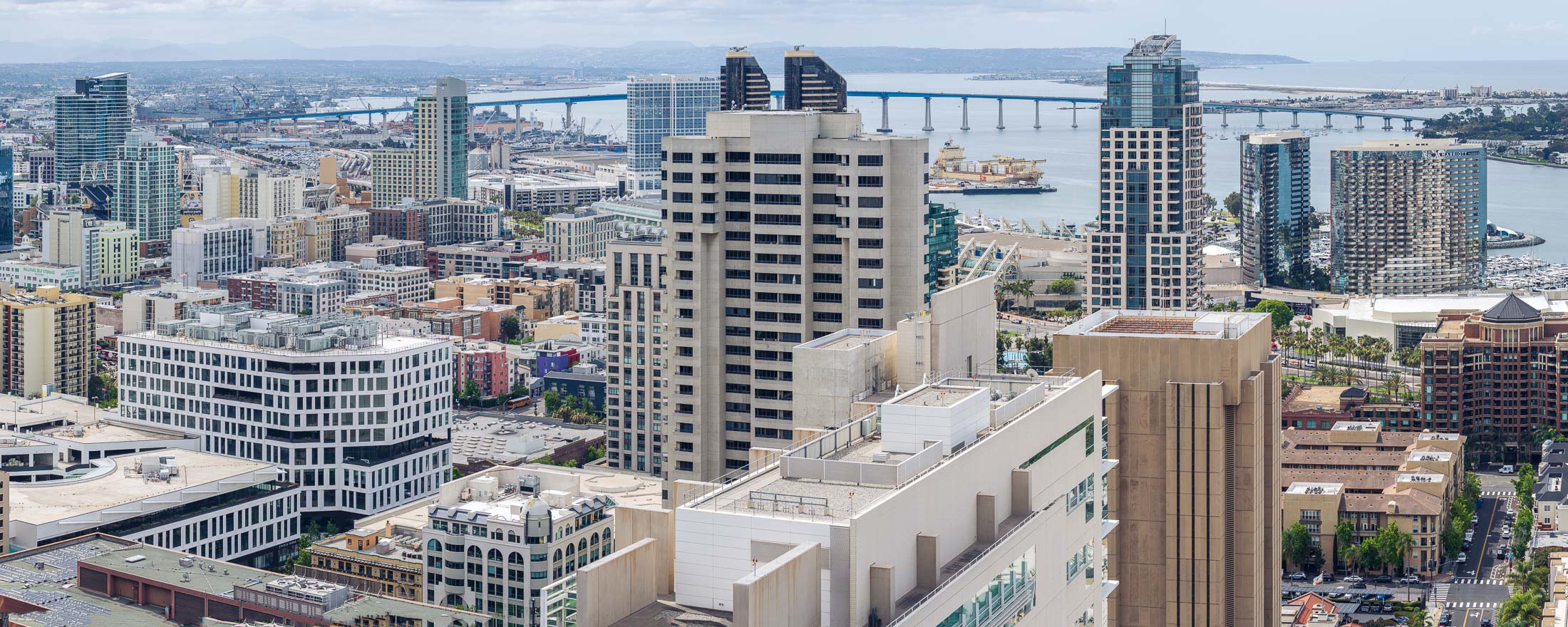



Professor Tina Zeidan, who teaches geology at Southwestern College, thinks San Diegans focus too much on the famed San Andreas Fault, and too little on the earthquake danger in their own backyard.
“When I teach about earthquakes, I pull up a map,” she said. “I say, ‘We have a fault that runs right through San Diego, goes under the convention center and then through Mt. Soledad in La Jolla. Do you know the name of that fault?’”
“No one,” Zeidan said, “not one student in my 11 years of teaching, knows.”

The Rose Canyon Fault Zone is the primary seismic hazard through metro San Diego. Rapid, early urbanization covered the land in concrete and asphalt, blocking research efforts and leaving an unknown number of fault strands buried beneath aging infrastructure.
Unlike the San Andreas Fault — one of the most heavily studied fault systems in the world — scientists know comparatively little about the Rose Canyon Fault. Researchers say last week’s swarm of earthquakes outside San Diego was a reminder that anywhere in California — San Diego included — can abruptly become shaky ground.
As heavy machinery breaks ground downtown for development, crews are likely to discover seismic hazards running beneath their feet. These relatively common reveals come as little surprise to local geologists.
“They’re all over San Diego, but we really don’t have effective mapping of them,” said Lisa Chaddock, a professor of geology at San Diego City College who has surveyed local faults for the Department of Homeland Security.
Discoveries of the local seismic network have and will continue to disrupt redevelopment plans downtown. This is evident at Fault Line Park, which exists because a fault cut through one side of a block being redeveloped. The company changed their design plans to position the park over the fault, in the shadow of two large residential towers.

The park’s mirrored metal spheres sit on either side of the fault line, acting as a “Fault Whisperer.” Visitors can listen to the Earth shift below their feet and look through one sphere at the other to see how much the ground has moved since they were installed in 2015.
Experts indeed reserve their most hardcore earthquake anxieties for the San Andreas Fault — which extends along the coast from about 100 miles south of the state line through the Bay Area before shifting inland where it continues past Los Angeles and into the desert.
But those fears, experts argue, have led San Diegans to underestimate the risks they face when most of them live just 15 miles from the Rose Canyon Fault and other major fault lines.
“The things that are the most worrisome with the Rose Canyon Fault is the lack of knowledge and lack of understanding,” Chaddock said. “We don’t want to sound alarmist, but we don’t want people to not plan ahead.”