San Ysidro Schools Gave Raises Despite Stern Budget Warning
 EM - News Moderator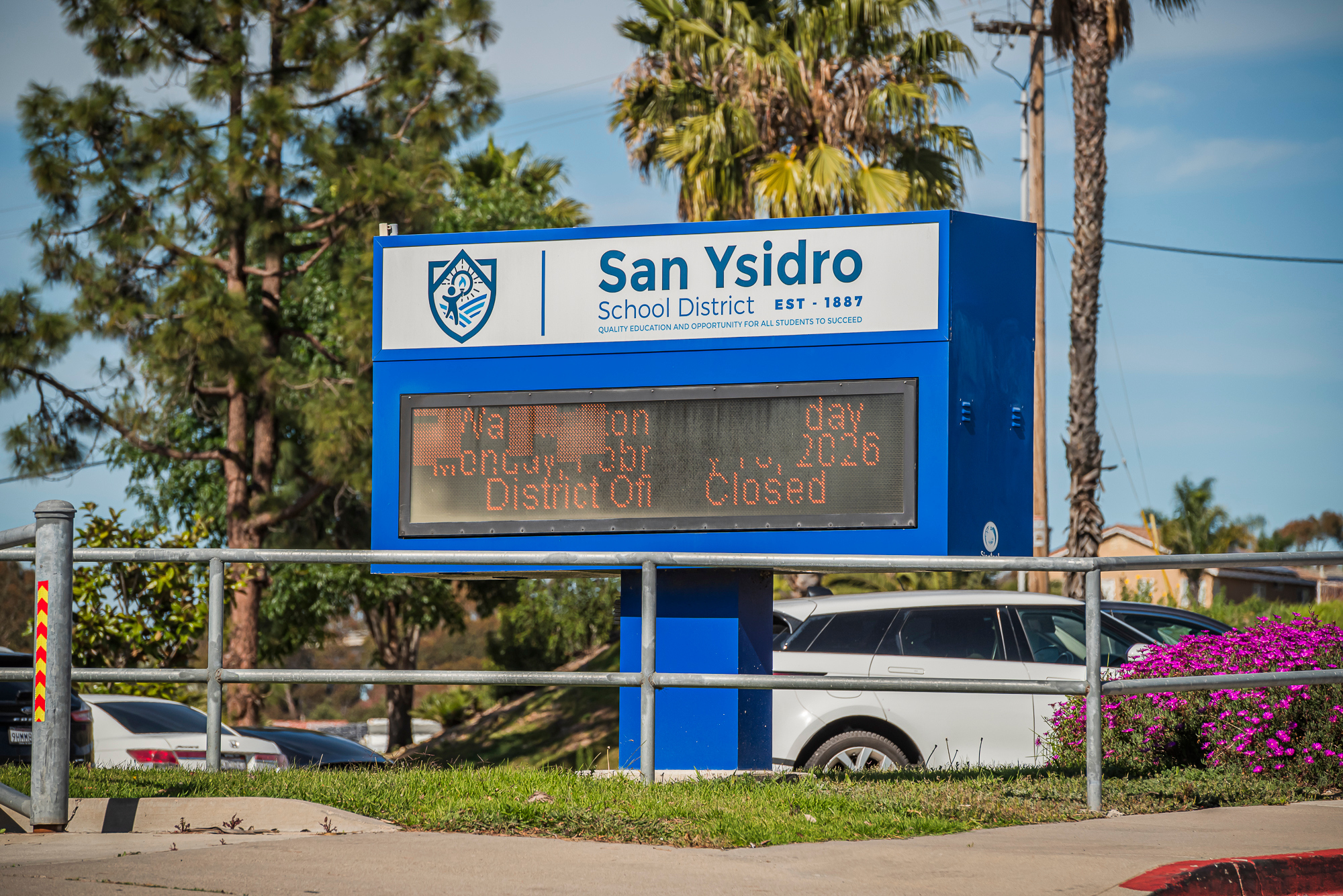



Shortly before trustees of the San Ysidro School District gathered last December to vote on new raises for district employees, district leaders received a stark warning from county education officials.
The proposed raises posed a grave risk to district finances, officials for the San Diego County Office of Education wrote in a Dec. 11, 2025 letter to Acting Superintendent Manuel Bojorquez.
The package of raises and benefits changes would cost the small, elementary-only district up to $2 million per year, county officials wrote. With the district already in a deficit, the added spending threatened to push it over the financial edge.
Later that same day, at their Dec. 11 school board meeting, district trustees approved the raises anyway.
Though trustees made no mention of the county’s warning before their 3-0 vote, district leaders knew county education officials were concerned about the district’s finances.
Over the preceding three years, county officials had sent a series of increasingly strongly worded letters warning the district that raises it approved each of those years risked pushing the district into a deficit and draining its emergency reserves.
According to a Voice of San Diego review of district financial documents, overall district spending on employee compensation rose rapidly over the past five years, outpacing growth in revenue.
District expenditures on compensation now constitute more than three-quarters of all district spending, up from two-thirds.
Less than a month after district trustees approved the raises, county education officials’ warning of fiscal trouble proved true.
In January, the San Ysidro district, which serves some of San Diego County’s lowest-income and highest-needs students, disclosed it would be unable to pay its bills this year.
The county swiftly ordered the district to make $4.8 million in cuts and appointed a financial advisor to ensure district leaders made the necessary changes.
District officials now are scrambling to reduce staff and cut programs to stave off insolvency. Earlier this month, trustees approved a freeze on all new spending and authorized district staff to identify possible layoffs and other program reductions.
“We’re going to have to give up things we don’t want to give up,” said school board Chair Irene Lopez.
San Ysidro trustees and other district officials have blamed a variety of factors for the district’s financial problems.
At a special Jan. 15 board meeting dedicated to the budget, officials said the decline was simply beyond their control. They cited declining enrollment, rising costs and fluctuating state and federal funding.
“It’s a situation we don’t want, but a situation we need to face,” Bojorquez said.
They never mentioned the raises.
Since the 2020-21 school year, total district spending on employee compensation has risen 33 percent, from $51 million to $68 million, according to annual district audits.
During that same period, revenue grew by just 21 percent, Voice’s analysis showed. District spending on compensation rose nearly twice as fast as overall district expenses.
Asked about the connection between compensation and the budget, district leaders defended their decisions and said district salary increases are both in line with state and local averages and necessary to recruit and keep qualified staff in an expensive region.
“Overall, growth in employee compensation (not including benefits) during the five-year period from 2020-21 to 2024-25 has remained modest, at a cumulative total of 16.5 percent, or an annual average of 3.3 percent,” wrote district business chief Marilyn Adrianzen in an email.
Salaries and benefits earned by San Ysidro employees rank at or near the bottom in a comparison with nine peer districts, Adrianzen added. And total district spending on compensation is actually lower as a percentage of the district’s overall budget than the statewide average, she said.
“Employee compensation…reflects the district’s efforts to remain both fiscally sound and competitive in one of the nation’s most expensive housing regions,” Adrianzen wrote.
The raises referred to by Adrianzen include a six-percent bump for teachers in the 2021-22 school year, an equivalent raise for non-teaching staff the following year, plus additional raises and bonuses in other years.
The raises approved by the district are in addition to so-called “step and column” raises that teachers earn depending on their years of service with the district and education level.
In 2023, trustees approved a $1,500 annual stipend for employees with PhDs, including Superintendent Gina Potter, whose current compensation is $324,383.
Last year’s pay package approved by trustees included a one-percent raise this year, followed by a two-percent raise next year, along with an increase in the district’s annual contribution to teachers’ health benefits from $11,500 to $12,260.
According to a compilation of district salaries by the website Transparent California, San Ysidro’s highest paid teachers earn up to $180,000 per year. Most other teachers earn between $100,000 and $170,000 per year, including benefits.
Potter, the superintendent, has been on medical leave for undisclosed reasons since November, with no stated return date.
In a statement added to Adrianzen’s email, Potter, too, defended the district’s finances.
“During my nearly eight years as superintendent, the district’s budget has remained stable and positive,” she said. “The district’s current financial pressures reflect broader statewide and national trends, including enrollment and attendance declines, rising special education and employee health benefit costs and funding uncertainties.”
Potter said she anticipated the district would resolve its financial difficulties and receive what is known as a “positive certification” from county budget officials as early as the end of this year.
Trustee Zenaida Rosario said there is an emotional component to education jobs that helps to explain why district trustees prioritized paying employees what she called “a higher than a cost-of-living raise.”
Rosario taught in San Ysidro schools for four decades before retiring in 2020. She was named California Teacher of the Year in 2004.
San Ysidro teachers, she said, care deeply about their work and have labored hard to lift up a population who often speak limited English and come from families with few economic resources.
Close to 70 percent of San Ysidro students classify as English language learners, Rosario said. Virtually all students qualify for a free or reduced-priced lunch.
And yet, Rosario said, district test scores have held steady or risen slightly in recent years. The district also was recognized recently by state education officials for helping high numbers of students attain English proficiency.
Rosario said San Ysidro might have avoided its budget troubles if county officials had given trustees more time to identify cuts, before declaring the district fiscally distressed and sending a financial advisor.
“The county came into our district too early without allowing us to have that time to plan our reductions,” she said.
Still, she said, the increased focus on the district’s budget problems has a silver lining.
“To me [the county’s assigned fiscal overseer] is a blessing to our district,” Rosario said. “He can help us look and make sure that where we’re going to cut is not going to hurt student learning.”
The post San Ysidro Schools Gave Raises Despite Stern Budget Warning appeared first on Voice of San Diego.