Sacramento Report: Newsom’s Final Budget
 EM - News Moderator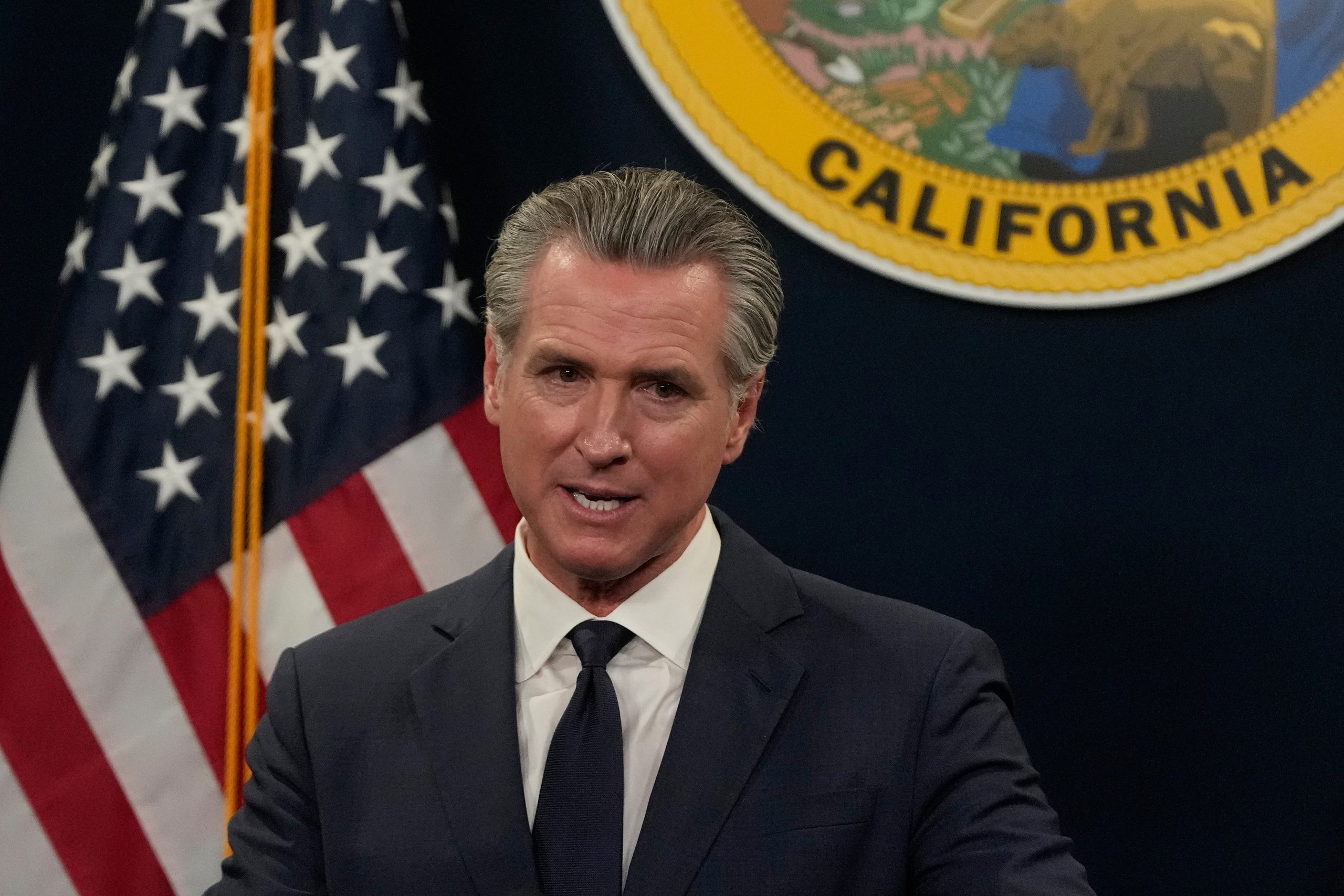


It was a big week at the Capitol. Gov. Gavin Newsom on Thursday unveiled his final budget proposal, launching budget negotiations in earnest ahead of a June 30 deadline. At the same time, lawmakers killed dozens of costly bills amid concerns over California’s looming deficit.
Here’s what you need to know and what San Diego’s lawmakers had to say.
The Governor’s Budget
Newsom proposed deeper cuts to Medi-Cal, an infusion to the state’s reserves and some new taxes in a move to balance the budget for the next two years.
Political watchers wondered how Newsom would tackle California’s structural deficit in his final budget proposal before his likely presidential campaign. Some were concerned Newsom would be wary of introducing or expanding programs that could send spending skyrocketing while the state braces to absorb the billions of dollars lost in federal funding for Medi-Cal.
To address the federal cuts, Newsom proposed raising premiums for undocumented immigrants on Medi-Cal and rolling back their benefits after halting new enrollments for undocumented immigrant adults this year. One of the governor’s key proposals to generate more revenue was putting a cap on tax credits for large companies, which he estimates would bring in $850 million in 2027.
Democrats are divided on the best way to make corporations pay, with many progressives backing hefty tax increases on big corporations to solve the state’s budget woes. But any proposals to raise taxes require a two-thirds vote of the Legislature, which would require progressives and moderates to reach a consensus. And many Democrats are also against a one-time tax on billionaires’ assets headed for the November ballot that supporters say would bring in billions of dollars for healthcare services.
Hours later and a few doors away, Democrats on the Assembly Appropriations Committee stalled a closely watched bill, Assembly Bill 1790, that would repeal the “water’s edge,” a tax calculation that allows multinational companies to avoid paying taxes on their foreign income. Backed by the powerful Service Employees International Union, it is one of the bigger plans aimed at solving multibillion-dollar deficits expected in 2028 and beyond.
It was removed from consideration shortly before the Assembly Appropriations hearing started, but chair Buffy Wicks said the proposal is still part of ongoing budget negotiations.
It’s common for major budgetary bills and ballot initiatives to be used as bargaining chips throughout negotiations.
San Diego Assemblymember Chris Ward, a progressive Democrat, said Thursday he supports a “balanced approach” to raising more revenue and is skeptical the Legislature can reach the two-thirds majority needed to pass a tax increase.
“I don’t think we’re anywhere close,” to having the votes, said Ward, who said he supports raising corporate taxes but not a one-time wealth tax on billionaires to fund healthcare services.
Newsom’s budget would pause $3.9 billion in mandatory funding for TK-12 schools and community colleges for next year while adding $2.4 billion for special education. Chula Vista Democrat David Alvarez, who chairs the Assembly Education Finance Subcommittee, said he appreciated the additional special education funding but delaying the general education funding was concerning.
Alvarez said lawmakers should consider the water’s edge tax proposal but blamed the state’s revenue problems on the federal government.
“I do think we need to look at some of those,” Alvarez said of revenue-raising proposals that would impose higher taxes. “But, also let’s be real, that’s not going to repair the damage that Donald Trump has caused.”
Other pricey legislation eliminated Thursday included a Senate bill that would have exempted most clean energy projects from environmental review and another to give tax breaks to low-income households.
Among those that passed was a bill to tighten anti-monopoly laws and another that would ban U.S. Immigration and Customs Enforcement agents working in the second Trump administration from working public jobs.
What I’m Reading Now
As the race for lieutenant governor ramps up, sexual harassment allegations against state Treasurer Fiona Ma have resurfaced, the San Francisco Chronicle reports.
Gov. Gavin Newsom is mandating that all state employees be back in the office four days a week by July, from The Sacramento Bee.
Supporters of an Arcadia mayor who pleaded guilty to working on behalf of the Chinese government say she was led astray by a boyfriend, the Los Angeles Times reports.
Thank you for reading the Sacramento Report. Please reach me at nadia@voiceofsandiego.org.
The post Sacramento Report: Newsom’s Final Budget appeared first on Voice of San Diego.