Order restoring gender-affirming care program at Rady Children’s Hospital remains in effect
 Dante Ulanday - News Moderator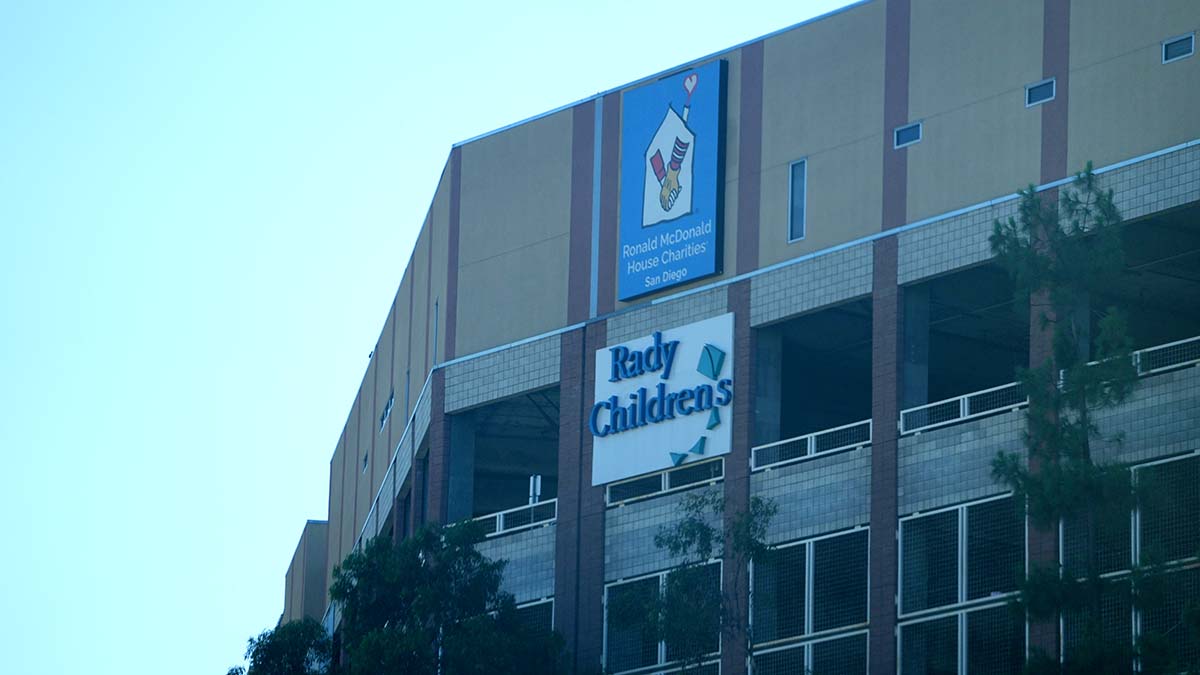



Rady Children’s Hospital must continue to provide “gender-affirming care” for patients under 19, a judge ruled Wednesday in a lawsuit filed by the state.
After Rady announced last month that it would stop offering treatments related to gender-affirming care, the California Attorney General’s Office sued the provider, alleging that it was ending the services unlawfully.
As a condition of Rady Children’s merger with Children’s Hospital of Orange County and its affiliates, any elimination of such services cannot happen without approval from the Attorney General’s Office, the state argued.
The medical provider, however, says escalating threats from the Trump administration to cut off Medicare and Medicaid funding prompted the decision as it relates to patients under 19.
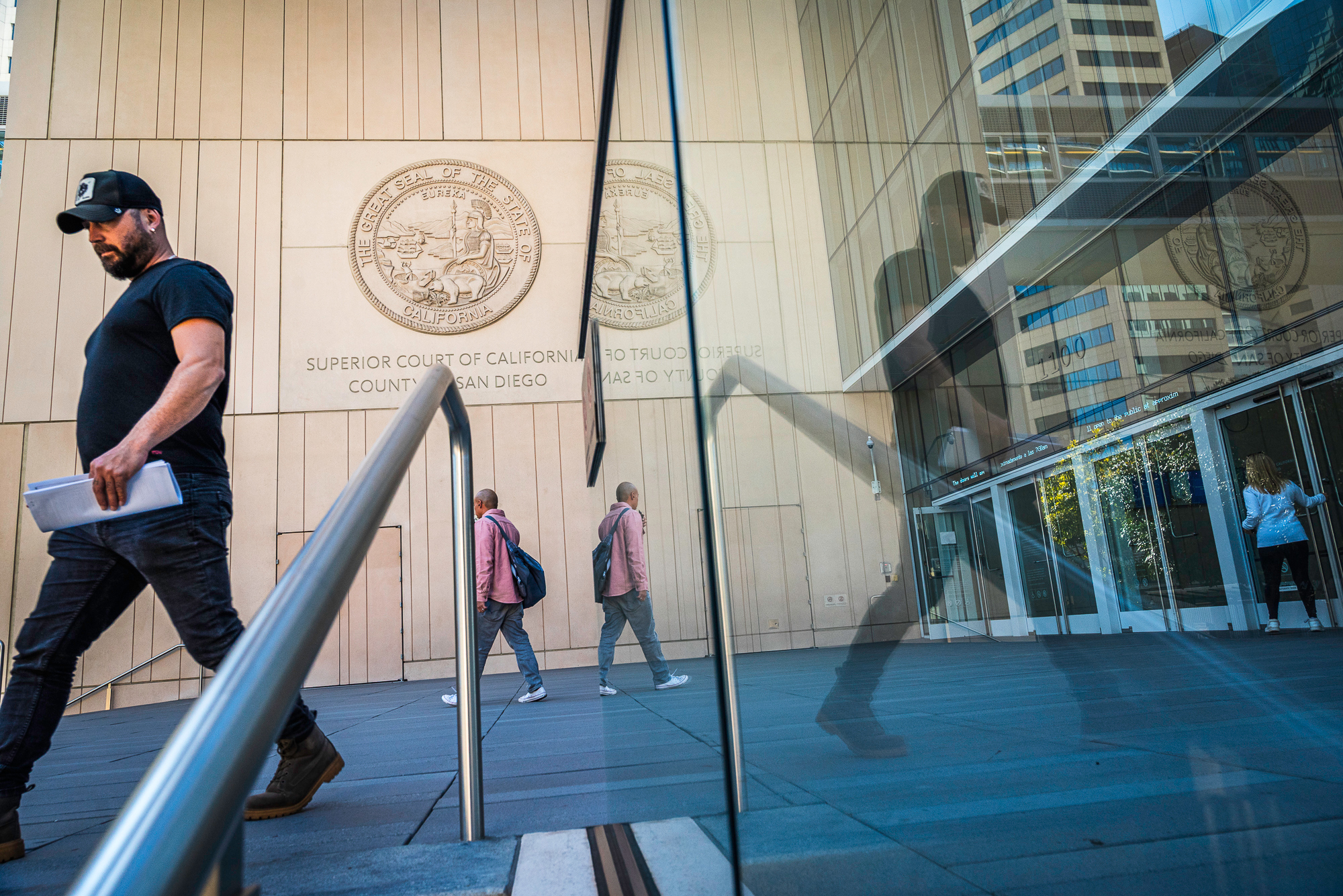
Superior Court Judge Matthew Braner previously ordered that gender-affirming care would resume, other than surgeries. After hearing arguments from attorneys on Wednesday, he said his prior order would remain in place.
During Wednesday’s hearing, the judge said that Rady, like other providers potentially under the microscope of the Trump administration, was “between a rock and a hard place.”
However, Braner said he wasn’t convinced that Rady was at immediate risk of losing federal funding and that he saw Rady as being “preemptive” compared to other providers when it came to cutting the practice.
“Right at this moment, I see kids at risk suffering relative degrees of harm. Whereas at this moment, I see the existential threat to Rady of losing funding that’s going to affect 800,000 patients is just that, a threat. It’s a threat that might become a reality, but it is not yet at that stage,” Braner said.
Rady’s attorneys argue that a Dec. 18 declaration from U.S. Department of Health and Human Services Secretary Robert F. Kennedy Jr. holds that gender-affirming care doesn’t “meet professional recognized standards of health care” and thus places medical providers in danger of losing funding.
Jason Strabo, one of the attorneys representing Rady, told Braner that Rady was at “catastrophic risk” of losing federal funding and that anything perceived as a violation of Kennedy’s Dec. 18 declaration “is potential grounds for exclusion from Medicare or Medicaid coverage.”
But the immediacy of a funding cut-off was disputed by the California Attorney General’s Office, which said that DHHS has agreed to not send notices to terminate provider agreements until another similar case is decided in federal court in Oregon. That case, which challenges Kennedy’s declaration, is scheduled for a summary judgment hearing on March 19.
Strabo argued that even if California and over a dozen other states suing the federal government prevail in the Oregon case, the government would immediately appeal and stay any order, leaving Rady and other providers in continued funding peril.
Should DHHS issue a 15-day notice to cut Rady’s funding, Braner said a hearing on the matter would be scheduled within 24 hours.
Braner also scheduled a preliminary injunction hearing in the case for next month.