Dispatch from Sin City: Colorado River Negotiations Are Stuck in the Mud
 EM - News Moderator


The only thing the users of the dwindling Colorado River agreed upon Tuesday was that the situation is dire.
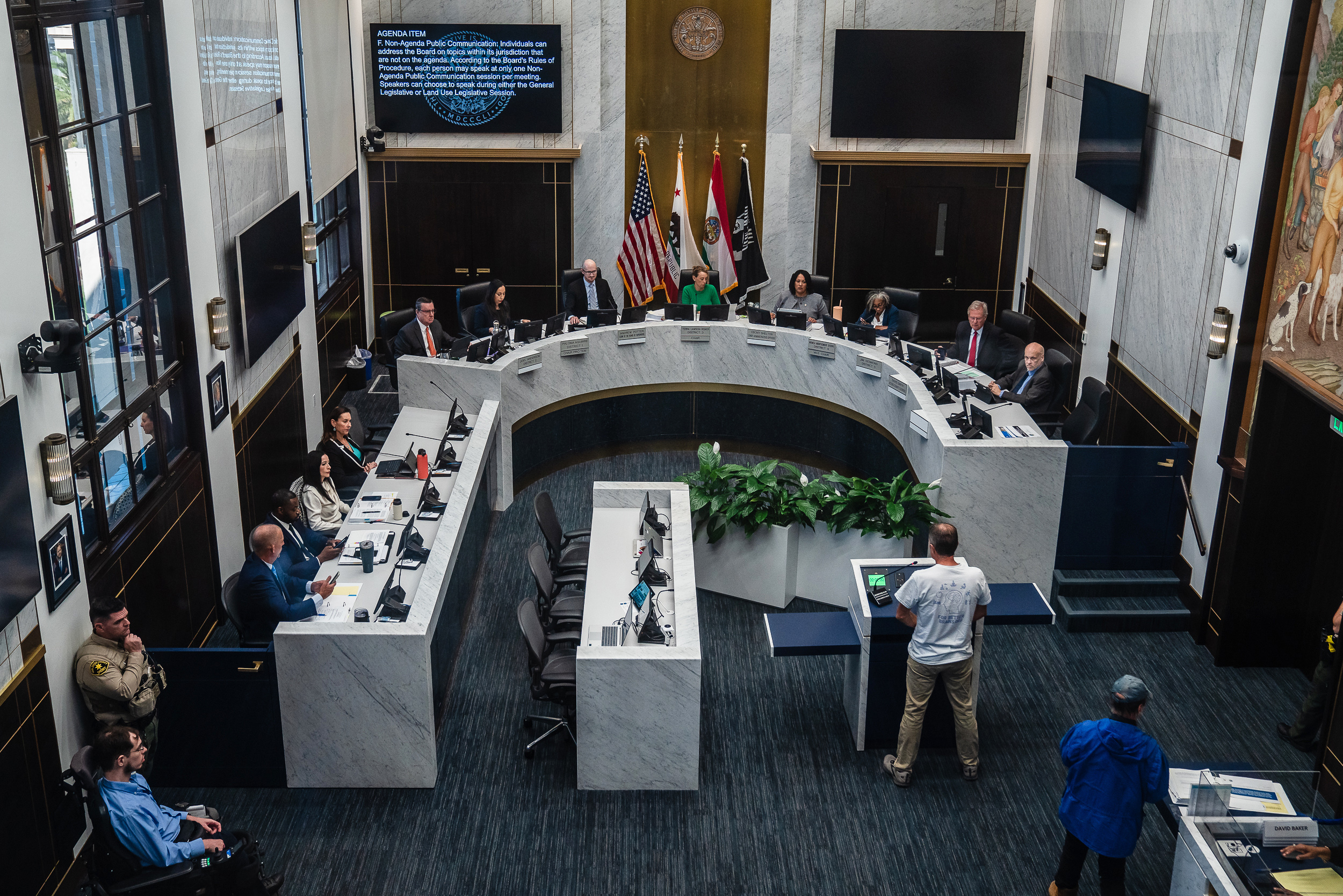
Representatives from the seven U.S. states and Mexico that drink from or whose industries run on Colorado River water are negotiating in Las Vegas this week – as they have every year since 1945. There is pressure to come to an agreement on how to use less of the climate change-stricken river by the end of the conference on Thursday, but all indications point to that not happening.
One pretty good sign is the fact that the states held divided meetings Tuesday morning, one for states in the northern portion of the river basin (known as the Upper Basin) which includes Colorado, Utah, Wyoming and New Mexico. California held another, though it shares the Lower Basin with Arizona and Nevada.
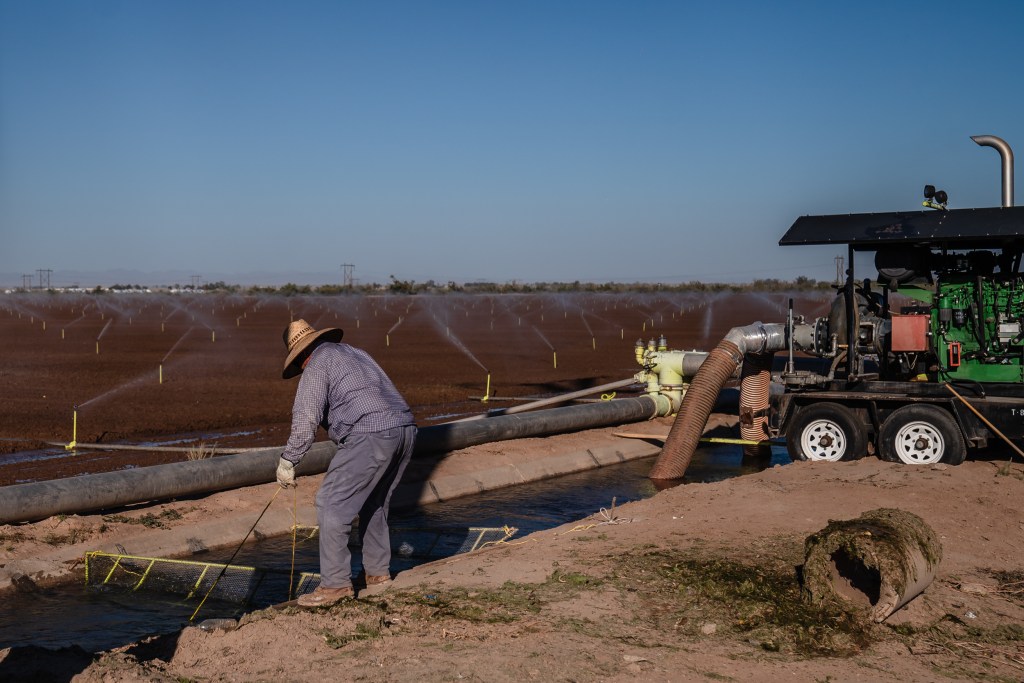
Each basin claimed to be doing all they can to conserve water – asking farmers to fallow their land, or shoulder water cuts or subsidizing lawn replacements. Each basin also claimed the other wasn’t doing enough.
“We’ve put everything we have on the table and the only way out of the woods on the Colorado River is for everyone to do their part,” said Rebecca Mitchell, who represents Colorado on the Upper Colorado River Commission.
New Mexico’s commissioner agreed.
“Right now unfortunately it seems like the only real focus is how can we get more water to the Lower Basin,” said Estevan López. “They need to live within their means and allow us to live with the water we have.”
Next door, where the Colorado River Board of California was meeting in an adjacent Cesar’s Palace Conference Center ballroom. The vibe was downright celebratory.
Members of California water districts both urban and agricultural that rely on Colorado River water sat behind a bright blue banner reading, “Constructive California.” Wade Crowfoot, Gov. Gavin Newsom’s secretary of natural resources, congratulated the state on the lowest Colorado River use since 1949.
Jim Madaffer, who represents the city of San Diego on the San Diego County Water Authority board, donned a cowboy hat and advertised that his region had water supplies for sale. Part of the reason is San Diego cut a deal with Imperial Valley farmers in 2003 to buy some of their Colorado River water use in the urban coastal region.
“It’s heartening to hear how advanced California is compared to the other six states,” Madaffer said. “Not to say they haven’t done stuff, just not at the scale we have.”
The Lower Basin advertised its commitment to conserve 440,000 acre feet of Colorado River water per year (an acre foot is enough water to serve two California households for a year). The Upper Basin hasn’t committed to conserve “a spoonful,” said JB Hamby, chair of the Colorado River Board of California and vice chair of the Imperial Irrigation District Board of Directors, the river’s biggest single user.
Observers of Colorado River talks know state negotiators frequently blow through deadlines given by the U.S. federal government to come to an agreement. States were supposed to come to a consensus on using less water by Nov. 11. When they missed that, the U.S. Bureau of Reclamation (the federal body that carries out federal water law and agreements) gave them another one: Feb. 14.
If the impasse persists beyond that, the Trump Administration could step in and decide how much water each state will get for them. And that would likely ensnare the states in drawn-out legal battles as the river continues to suffer volatility.
The post Dispatch from Sin City: Colorado River Negotiations Are Stuck in the Mud appeared first on Voice of San Diego.