Border Report: The Detention Facility Inspection that Almost Happened
 EM - News Moderator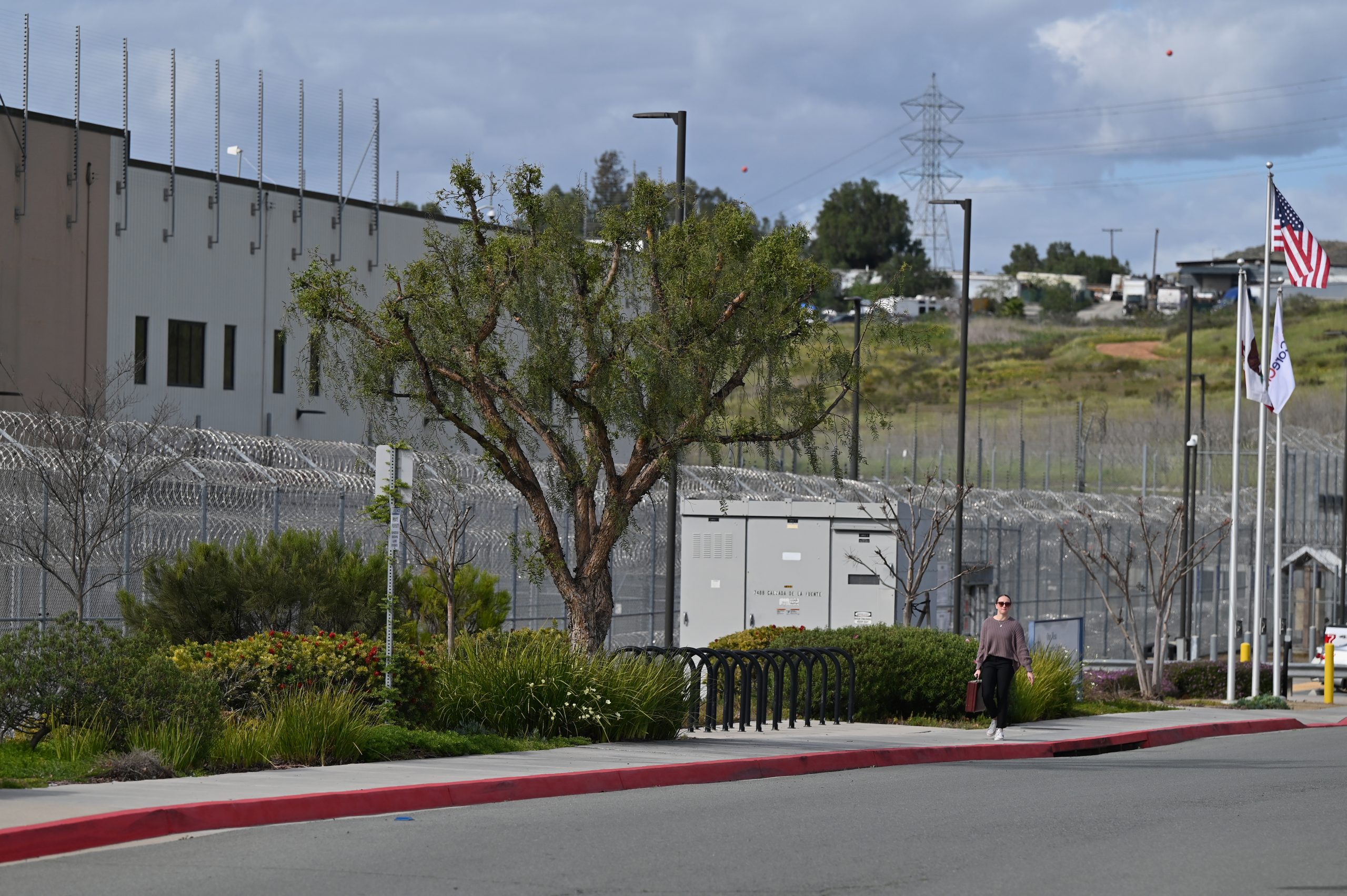


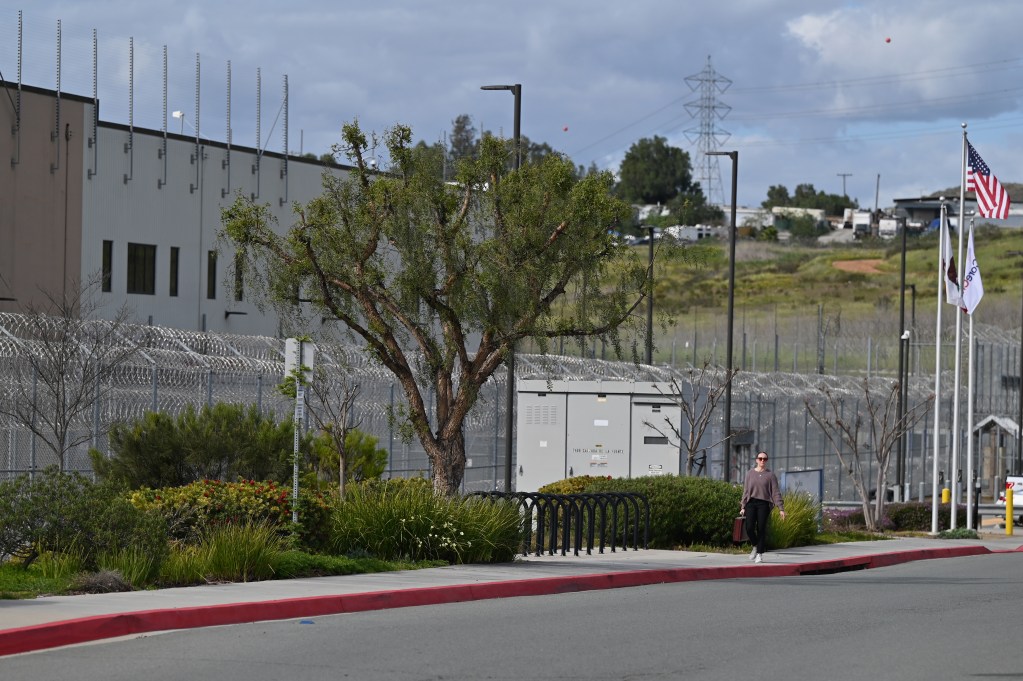
A little after 2 p.m. on Friday, I drove south on the 805 to Otay Mesa Detention Center, squeaking by before the afternoon border rush hour stopped traffic. Two county supervisors, Terra Lawson-Remer and Paloma Aguirre, were supposed to be speaking with the press after inspecting the facility with the county health officer.
I had a feeling in my gut that something might have happened, but a staffer had assured me that the two had been cleared to enter the detention center.
I’ve covered Otay Mesa for nearly a decade, reporting on issues from medical care to strip searches. Before the pandemic, I was given several tours of the facility, and I could ask Immigration and Customs Enforcement to let me interview people held there. In recent years, the only way I’ve been able to go is when I’m covering a hearing at the immigration court inside the detention center.
Emails to ICE asking to set up an interview with someone in custody go unanswered.
When I got there, I learned that around noon, officials at the facility had denied entry to the county supervisors. A few hours later, officials also blocked Sen. Alex Padilla from inspecting the facility, which is owned and operated by private prison company CoreCivic.
Padilla called the denial disappointing but not surprising.
“The first big question I come away with is what do they have to hide?” Padilla said. “What do they have to hide? What does this administration have to hide?”
Ryan Gustin, a spokesperson for CoreCivic, said that the company is “cooperating fully” with the county’s public health officer for the inspection and deferred to ICE on questions about people being turned away from the facility.
The Department of Homeland Security said through an unnamed spokesperson that because the supervisors contacted CoreCivic instead of ICE to set up the visit, the agency denied their entry.
“These procedures and protocols exist for the safety of detainees, staff, and visitors,” the department said.
County Public Health Officer Sayone Thihalolipavan sent a letter to Warden Christopher LaRose, the CoreCivic employee in charge of Otay Mesa Detention Center, on Feb. 9 requesting information about what steps he needed to take in order to perform an inspection. The warden requested information from Thihalolipavan and the supervisors for security clearance, Lawson-Remer said, and did not direct them that they needed to contact ICE directly.
A few days before their scheduled visit, the supervisors received an email informing them that they had been cleared to enter the facility, according to a document I reviewed on Friday.
Thihalolipavan entered the detention center Friday morning with an inspection contractor, but officials gave the pair only limited access, Lawson-Remer said. Thihalolipavan saw the kitchen and medical bay but was not allowed to closely examine either, Lawson-Remer said. Officials also did not permit him to speak with detainees or review their medical records, a crucial part of a public health inspection, Lawson-Remer said.
She said normally a public health inspection of a detention facility takes eight or nine hours, but Thihalolipavan was already back in the lobby after viewing what officials allowed him to see by the time Lawson-Remer and Aguirre came at their scheduled time to join him a few hours later.
ICE officials came to the lobby to tell them that they were no longer approved for a visit and that the decision had come from the agency’s headquarters in Washington, Lawson-Remer said. They handed Lawson-Remer a letter that said members of Congress had to give ICE seven days’ notice before inspecting its facilities.
Lawson-Remer argued that they were not members of Congress so the letter’s procedures didn’t apply to them and that they had given more than seven days’ notice. The officials threatened to call sheriff’s deputies if the supervisors didn’t leave, Lawson-Remer said.
“So, we were not able to conduct the inspection that we are legally obligated to conduct to protect health and safety,” Lawson-Remer said. “And it is obviously incredibly concerning.”
She said the county is looking at litigation options.
She said though the county has always had the right to inspect the detention facility, as it does with others in the region, because members of Congress are also supposed to inspect, the county has let legislators lead. But when ICE started denying access to members of Congress last year, she felt that the county needed to step up.
“It’s very scary, frankly, that they have people locked up, and we have no oversight over whether these people are being abused or being fed,” Lawson-Remer said.
Padilla had planned a separate, unannounced visit for the same afternoon.
At the beginning of February, a federal judge ruled that ICE could not require seven days’ notice from members of Congress.
But Padilla spent about an hour in the Otay Mesa lobby on Friday afternoon arguing unsuccessfully that he should be let in. As he walked back to the sidewalk where a large group of journalists waited to hear what happened, a Border Patrol vehicle passed by on the mountain road behind the detention facility.
Padilla said officials told him that the ruling only applied to the 13 members of Congress who brought the lawsuit.
“It’s unacceptable,” Padilla said. “And we’re not going to let up on our efforts to do both these planned visits and unscheduled visits. Accountability is important.”
He said he was concerned about the number of deaths nationwide in ICE custody already this year — at the time he spoke, at least eight people had died. Last year, the number of deaths reached the highest it has ever been in the history of the agency.
He is also worried about reports of lack of access to quality food and clean water as well as inadequate medical care that have surfaced from the facility and others run by CoreCivic. While he was inside, an ambulance came to the facility and transported someone away, a CoreCivic van following behind so that a guard would stand watch over the person at the hospital.
CoreCivic’s Gustin said that days before the attempted visits, Otay Mesa Detention Center received reaccreditation from the National Commission on Correctional Health Care.
“CoreCivic is committed to providing access to high-quality medical and mental health care for all detainees,” Gustin said.
Padilla said he would be back to try again at the Otay Mesa facility.
Thank you for reading. I’m open for tips, suggestions and feedback on Instagram @katemorrisseyjournalist and on X/Twitter and Bluesky @bgirledukate.
In Other News
El Mencho: After the Mexican military killed cartel leader Nemesio Rubén Oseguera Cervantes, known as “El Mencho,” violence broke out in several states, and Oxxos and public transit in Tijuana closed down for several hours on Sunday, Melina Flores González reported for El Sol de Tijuana. Arath Castillo reported for Zeta that Baja officials detained 25 people on Sunday related to violence following his death.
Homicide reduction: The number of homicides in Tijuana has dropped by 28 percent, Alexandra Mendoza reported for The San Diego Union-Tribune.
Dismissed charges: Alex Riggins reported for The San Diego Union-Tribune that federal prosecutors have dismissed about half of cases that alleged someone had assaulted a federal agent, a sharp change from previous years.
The post Border Report: The Detention Facility Inspection that Almost Happened appeared first on Voice of San Diego.